Leave Your Message
Why Choose a Glamping Tent for Your Business?
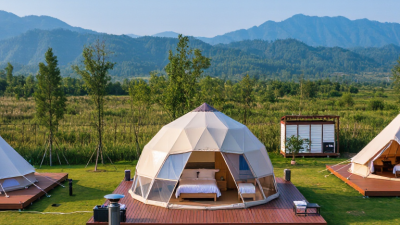
A Glamping Tent can turn an ordinary outdoor site into a memorable accommodation experience. Guests may wake beneath canvas, hear birds outside, and step onto a wooden deck with morning coffee. That atmosphere creates value beyond a standard room. It can also help businesses use scenic land without constructing permanent buildings immediately.
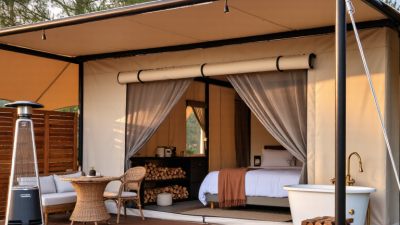
Ruben Martinez, founder of the American Glamping Association, has said, “Glamping is about creating an experience, not simply providing a place to sleep.” This idea matters for owners planning resorts, farms, retreats, or seasonal camps. A well-designed tent can combine comfort, nature, and operational flexibility. Features such as insulated walls, private bathrooms, stable flooring, and weather-resistant fabric improve the guest experience. They also support consistent service during changing seasons.
The business case is promising, but it is not effortless. Site access, drainage, fire safety, cleaning routines, permits, and reliable utilities require careful planning. A beautiful tent cannot repair poor management. Not every location will attract guests. That deserves honest testing. Owners should study local demand, compare construction costs, and calculate maintenance expenses before investing. Small details often influence reviews. A leaking roof, weak mattress, or cold shower can quickly damage trust. Yet a thoughtfully operated Glamping Tent can create strong memories, distinctive branding, and useful revenue opportunities. It offers flexibility, but only when comfort and responsibility remain central. Planning carefully may feel slower. It usually saves money later.
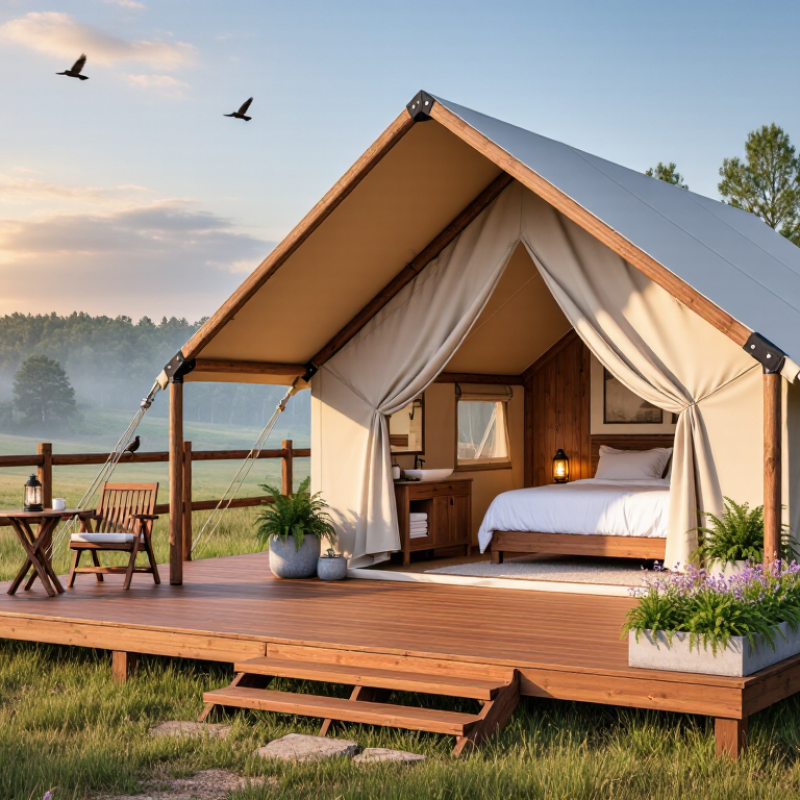
A glamping tent is a durable, furnished structure designed for comfortable outdoor accommodation. Unlike basic camping shelters, it may include beds, lighting, ventilation, flooring, and private bathroom facilities. Many models use treated canvas or technical fabric over a raised platform. This design creates a closer connection with nature without removing essential comfort.
For a business, the tent can become a flexible hospitality unit. It may serve overnight guests, couples, families, or small retreat groups. A carefully planned interior can include a solid bed, weather-resistant furniture, solar lighting, and storage for luggage. Clear pathways and stable steps also improve the guest experience. The structure can suit rural land, resort areas, farm stays, and seasonal tourism projects. It uses space creatively.
However, a glamping tent is not maintenance-free. Fabric needs inspection, moisture requires control, and nearby trees may create falling-branch risks. Operators should assess wind exposure, drainage, sanitation, fire safety, and local planning requirements before installation. Reliable suppliers should provide material specifications, load guidance, and maintenance instructions. Staff also need practical routines for cleaning, ventilation, pest prevention, and emergency access. Small oversights become expensive. A tent may look inviting in photographs, yet poor insulation or weak drainage can quickly damage guest trust. Careful site management turns the tent from a decorative shelter into a dependable business asset.
| Business Dimension | Typical Glamping Tent Benchmark | How It Serves a Business | Planning Consideration |
|---|---|---|---|
| Definition | A furnished, semi-permanent outdoor accommodation unit that combines tent-based construction with hotel-style comforts. | Creates an accommodation product that can offer a closer connection to nature without requiring a conventional building for every guest unit. | Confirm local definitions, planning permissions, fire requirements, and land-use restrictions before installation. |
| Typical Guest Capacity | Usually 2–6 guests per unit, depending on layout, bed configuration, and local occupancy rules. | Supports couples, families, small groups, and short-stay leisure travelers through different accommodation packages. | Size sleeping areas, bathrooms, kitchens, and emergency exits according to the intended occupancy. |
| Common Interior Area | Approximately 15–45 m² of usable indoor space, excluding decks and external facilities. | Allows operators to offer different room tiers, from compact nature stays to larger family-oriented suites. | More floor area improves comfort but may increase site preparation, furnishing, heating, and maintenance costs. |
| Installation Time | The tent structure may be assembled in several hours to a few days; complete guest-ready setup takes longer. | Can shorten the path from site preparation to revenue generation compared with many permanent accommodation projects. | Allow additional time for foundations, utilities, furniture, landscaping, inspections, and weather-related delays. |
| Capital Investment Profile | Often requires less structural construction than a traditional cabin, although total costs vary widely by specification and site. | Enables phased development, allowing a business to begin with a small number of units and expand according to demand. | Budget for the complete project, including transport, platforms, bathrooms, utilities, furnishing, permits, and site access. |
| Revenue Potential | Nightly pricing depends on location, season, amenities, privacy, views, and service level rather than the tent alone. | Creates opportunities for accommodation revenue, premium packages, private events, wellness stays, and guided experiences. | Build pricing from expected occupancy, average daily rate, operating costs, taxes, and seasonal demand. |
| Seasonal Operation | Three-season models are common; four-season operation requires suitable insulation, heating, ventilation, and snow or wind design. | A properly designed unit can extend the booking calendar beyond peak summer periods. | Use climate-specific materials and obtain professional advice for extreme weather, snow loads, flooding, and high winds. |
| Guest Comfort | May include beds, electricity, lighting, heating or cooling, private bathrooms, kitchenettes, and outdoor decks. | Combines outdoor experiences with familiar hotel conveniences, which can broaden the target customer base. | Comfort is influenced by ventilation, moisture control, acoustic privacy, mattress quality, bathroom access, and temperature management. |
| Site Flexibility | Can suit rural land, woodland edges, farms, campsites, resorts, and other locations with appropriate access and services. | Helps businesses use scenic or underdeveloped areas that may not be suitable for large conventional buildings. | Assess drainage, ground stability, vehicle access, water supply, wastewater treatment, power, privacy, and environmental sensitivity. |
| Guest Experience | Provides direct visual and sensory access to the surrounding landscape while retaining a defined private living space. | Creates a differentiated product that can support destination marketing and experience-based positioning. | Protect the natural setting while controlling noise, lighting, waste, foot traffic, and guest privacy. |
| Maintenance Requirements | Requires regular inspection of fabric, seams, zippers, fasteners, roof drainage, platforms, utilities, and interior equipment. | Predictable preventive maintenance can reduce service interruptions and protect the guest experience. | Create inspection schedules for weather damage, moisture, pests, fire safety, electrical systems, and plumbing. |
| Scalability | Units can often be added in stages when land capacity, approvals, utilities, and demand support expansion. | Supports pilot projects, seasonal capacity increases, and gradual development of a larger accommodation portfolio. | Plan the master layout early so future units do not compromise access, fire safety, privacy, wastewater capacity, or the guest experience. |
Note: The figures shown are general planning ranges for business evaluation. Actual performance, costs, occupancy, durability, and regulatory requirements depend on the tent design, climate, site conditions, local laws, operating model, and selected facilities.