Choosing the right outdoor canopy tent can be a daunting task. There are many options available. Each serves specific needs. Whether you are hosting a backyard party, camping, or attending a fair, an outdoor canopy tent offers protection from the elements.
Understanding your requirements is vital. Think about the space you need and how many people will use it. Durability should also be a priority. High winds and rain can wreak havoc on subpar materials. Seek options that offer reliable weather resistance.
Don't forget about setup and portability. Some tents may look appealing but are cumbersome to assemble. Look for models that simplify this process. An outdoor canopy tent should enhance your experience, not complicate it. In the end, it’s about striking the right balance between function and practicality. Reflect on what matters most to you. Make informed choices for an enjoyable outdoor experience.
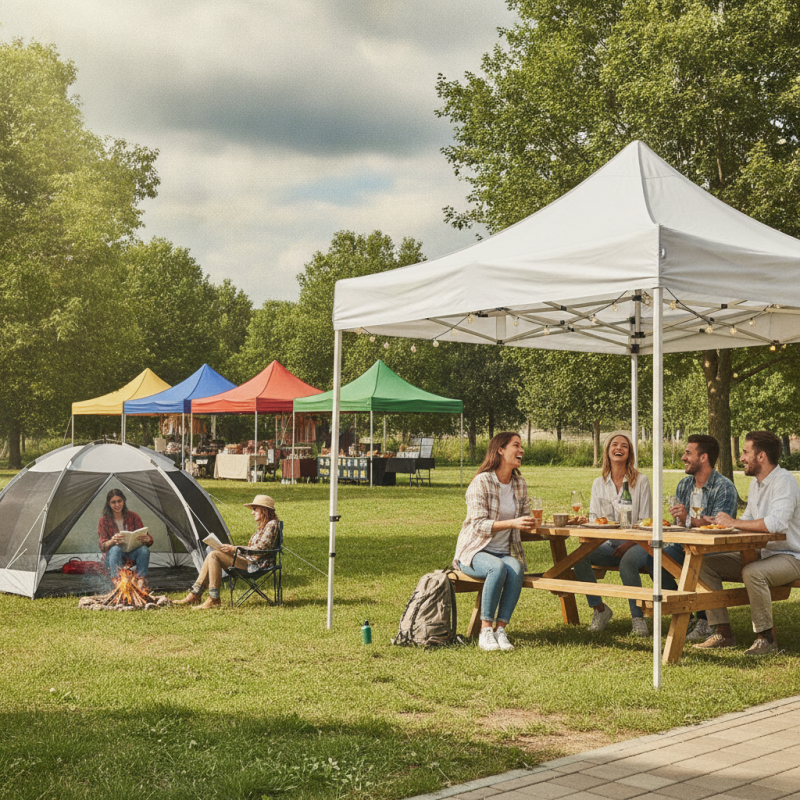
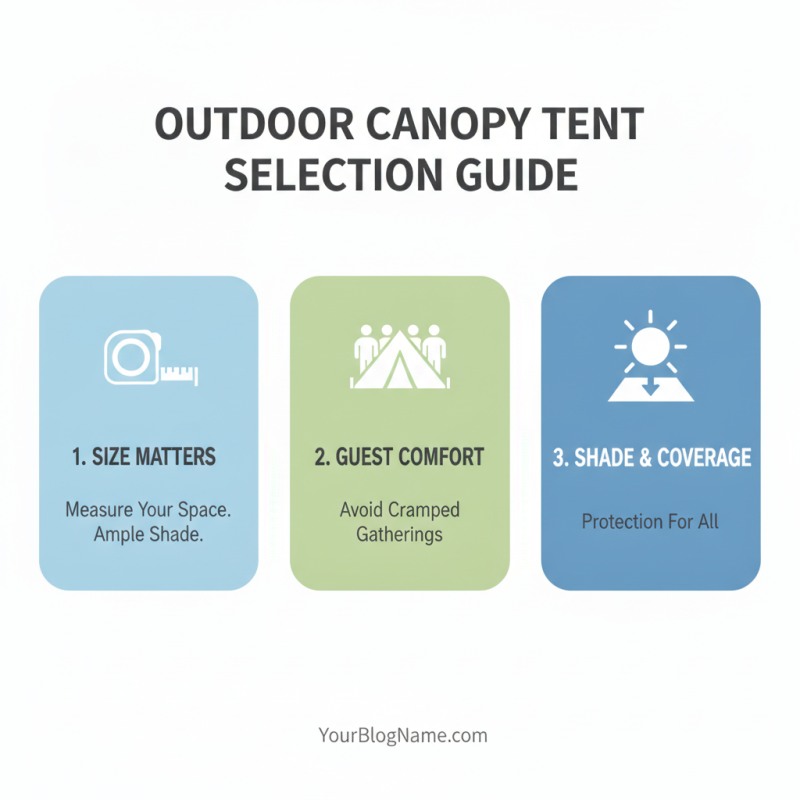
When selecting an outdoor canopy tent, several factors come into play. Size is crucial. Measure your space to ensure the tent fits well. You want a tent that offers ample shade for your gatherings. A tent that is too small can leave guests feeling cramped.
Material is another essential aspect. Look for durable fabrics that can withstand various weather conditions. This choice directly impacts performance. Some materials handle rain better than others. You might want to consider water-resistant options. Think about the tent's frame as well. A sturdy frame ensures stability against winds. Aluminum or steel frames often provide good support.
Ease of setup should not be overlooked. Some tents are straightforward to assemble, while others can be complex. Consider your experience level when assessing this feature. It might save you time and frustration. Reflect on your needs too. Do you need portability? A lightweight option is ideal for travel. Meanwhile, heavier tents may offer better durability.
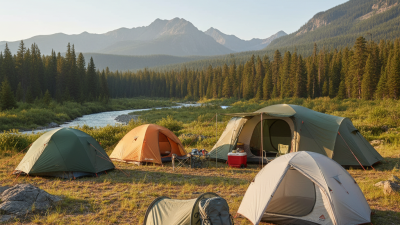
When choosing an outdoor canopy tent, understanding the different types available is essential. Pop-up tents are perfect for quick setups. They are lightweight and portable. Many families opt for these during picnics or beach outings. According to a recent survey by the American Camping Association, 35% of campers prefer pop-up tents for their convenience.
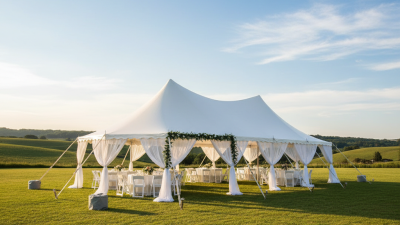
For more extensive gatherings, frame tents offer durability and space. These structures can withstand various weather conditions. Reports indicate that frame tents account for over 40% of the outdoor rental market. Their versatility makes them ideal for weddings, parties, and festivals. However, setting them up requires more time and careful consideration of location.
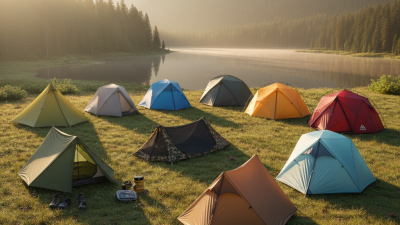
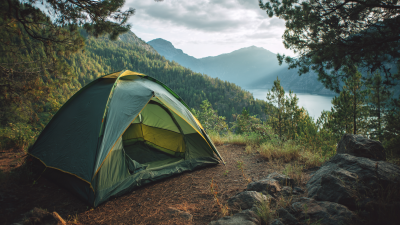
Lastly, lightweight backpacking tents cater to the adventure seeker. These tents are designed for portability and ease of use. They often sacrifice some comfort for weight. While they might not offer much headroom, they can pack down to the size of a water bottle. It’s crucial to select the right size and weight based on your needs. Not all tents are the same, and understanding their specific uses can prevent unforeseen issues during your outdoor adventures.
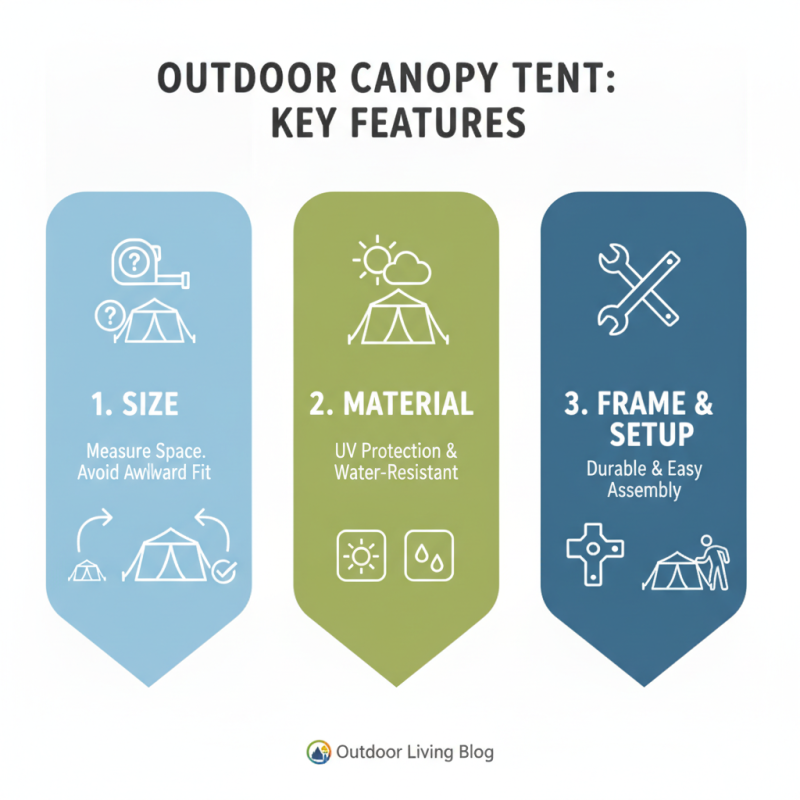
When selecting an outdoor canopy tent, it's crucial to focus on key features that suit your needs. First, consider the size. Measure the space where you plan to set it up. This will help you avoid making costly mistakes. A tent too small won't provide adequate shade or shelter. Conversely, a tent too large may be unwieldy.
Another important aspect is the material. Look for durable fabrics that resist water and UV rays. Heavy-duty polyester or nylon options are often ideal. Ensure the tent has a reliable frame. Lightweight aluminum frames are easier to transport but check their strength. A strong frame can withstand wind and rain better, enhancing your outdoor experience.
Tips: When purchasing, check user reviews. Real experiences provide insights into the tent's performance. Do not overlook the stakes and guy lines. Proper anchoring is essential. Practice setting it up at home. This helps you avoid challenges during your event. Remember, not every tent is perfect for every situation. Think about how you'll use it.
Budgeting for your outdoor canopy tent is crucial for ensuring you get the right option. Start by determining how often you’ll use it. If it's just for occasional picnics, you might opt for a lower-cost model. However, if you need something for frequent events, investing more makes sense. Consider how many people you’ll accommodate. Larger canopies tend to be pricier, but they offer more space and comfort.
Don’t forget additional costs that can add up. Accessories like weights, sidewalls, and storage bags lead to an enhanced experience. Sometimes, a seemingly cheap tent can end up being more costly due to added needs. Research can play a major role here. Review user feedback on different products. This can help you avoid tents that look good but don’t perform well.
Think about where you’ll set up your canopy. Will it be on grass or pavement? Some tents require extra integrity depending on the surface. Look for models that fit your environment. Lastly, always leave a little buffer in your budget for unexpected expenses. A smarter budget plan can lead to a better purchase decision.
Proper maintenance and storage of outdoor canopy tents can greatly extend their lifespan. Regular cleaning is essential. Dirt and moisture can lead to mildew and deterioration. Use a soft brush and mild soap for cleaning. Avoid harsh chemicals that can damage the fabric. According to industry reports, a well-maintained tent can last up to 10 years, while neglect can cut that time significantly.
Storage plays a crucial role as well. Tents should be completely dry before folding and storing. Moisture trapped in fabric can cause mold. According to the American Society for Testing and Materials, storing tents in breathable bags can prevent mildew while extending durability.
When you notice wear or small tears, repair them promptly. Ignoring minor damage can lead to bigger issues later. Additionally, practice folding techniques that prevent creasing and fabric damage. Industry experts suggest avoiding extreme temperatures during storage, as heat can affect the integrity of tent materials. By applying these simple maintenance tips, your canopy tent can serve you well for many outdoor events.
| Features | Description | Maintenance Tips | Storage Tips |
|---|---|---|---|
| Size | Measure the area where you plan to set up the canopy. | Clean regularly to prevent mildew. | Store in a dry, cool place to avoid mold. |
| Material | Choose durable, UV-resistant fabrics. | Inspect for tears or damage after each use. | Fold properly to prevent creases and tears. |
| Weight | Lighter canopies are easier to transport. | Ensure all components are secure to avoid damage. | Keep in its original bag or case to avoid loss. |
| Ease of Setup | Look for pop-up designs for quick setup. | Practice setup and takedown at home first. | Use a dedicated storage bag to keep it organized. |
| Ventilation | Choose canopies with mesh windows for airflow. | Check for blockages and clean vents regularly. | Avoid stacking heavy items on top while stored. |