Leave Your Message
China’s adult sleepwear sector is expanding beyond ordinary pajamas. Sleep Sack For Adults products now target warmth, mobility, sensory comfort, and controlled sleeping environments. Chinese manufacturers are responding with bamboo viscose, cotton jersey, merino blends, and adjustable designs. Yet product quality varies widely. The evidence is incomplete.
The Centers for Disease Control and Prevention reports that about one in three American adults regularly sleeps fewer than seven hours. This finding strengthens demand for practical sleep-support products, but it does not prove that sleep sacks improve sleep quality. The American Academy of Sleep Medicine also stresses consistent sleep schedules and suitable bedroom conditions. A sleep sack can support comfort. It cannot replace medical care or healthy sleep habits.
Market reports from Grand View Research and Technavio identify sleepwear as a growing global category. However, most reports do not separate adult sleep sacks from pajamas, wearable blankets, or thermal loungewear. That limitation matters for buyers comparing Chinese suppliers. Reliable evaluation should include fabric composition, zipper safety, seam strength, washing performance, temperature ratings, and factory quality controls. Small details matter. A rough seam can disturb sleep.
Dr. Matthew Walker, a sleep scientist and author, famously said, “Sleep is the greatest legal performance-enhancing drug that most people are probably neglecting.” His statement highlights the product’s purpose, but not its limits. The best China manufacturers combine textile experience with transparent testing and realistic claims. This guide examines leading suppliers through those standards, while acknowledging an uncomfortable point: attractive catalog images are not evidence of dependable manufacturing.
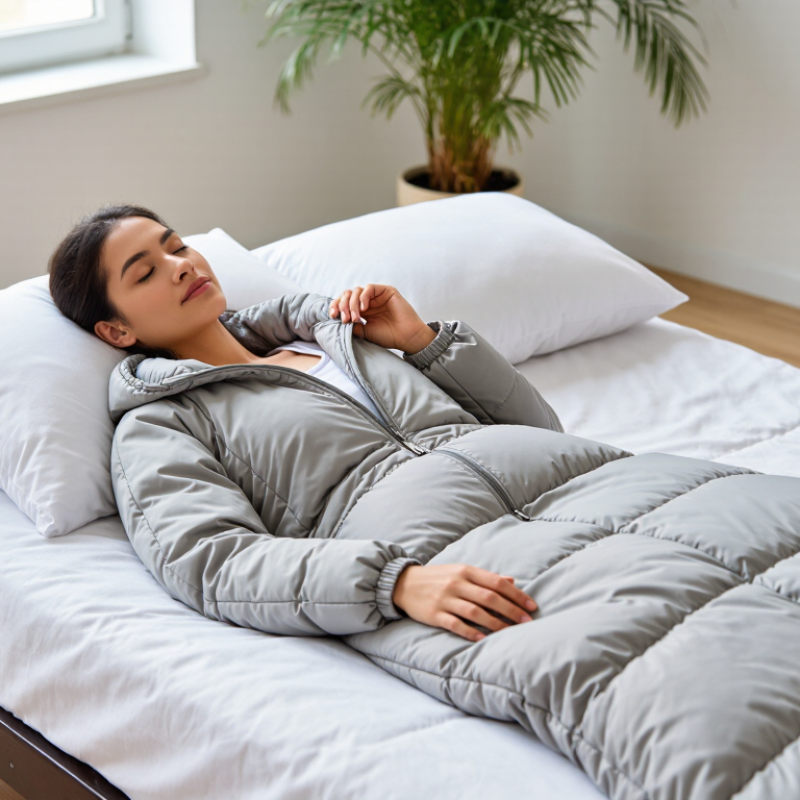
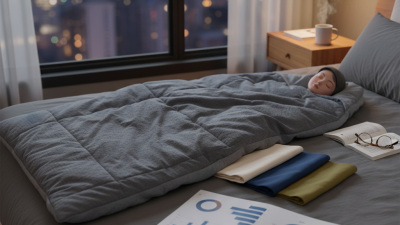
Adult sleep sacks are wearable bedding designed to cover the torso and legs while leaving the arms free. Many use a soft, roomy shape, a front zipper, and fabric chosen for the expected room temperature. Unlike a loose blanket, a sleep sack stays around the wearer during the night, which can feel more secure for people who move frequently or dislike bedding slipping away.
They are used for warmth, comfort, and convenience at home, in shared accommodation, or while traveling. A lightweight cotton style may suit a heated room, while a thicker insulated option can feel more comfortable in a cool cabin. Check the size, zipper placement, and care label before choosing one. Fit matters. It should allow natural movement without dragging or restricting the legs. Adults who feel overheated, have limited mobility, or need quick access at night may find some designs inconvenient. That part is easy to overlook. Fabric descriptions also do not guarantee comfort; room temperature and personal preference matter. A sleep sack is bedding, not a substitute for suitable clothing or a safe, comfortable sleeping environment.
| Dimension | What It Means | Common Options or Uses | What to Check When Comparing Products |
|---|---|---|---|
| Product definition | An adult sleep sack is a wearable sleeping bag or sleep garment designed to cover much of the body while allowing the wearer to move their arms and, depending on the design, their legs. | Camping, travel, home lounging, and situations where a wearable layer is preferred to a conventional blanket. | Check the shape, coverage, openings, and whether the item is designed for indoor use, outdoor use, or both. |
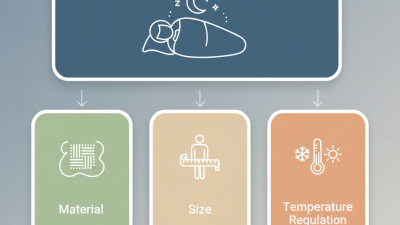
| Outer fabric | The outer layer protects the insulation or lining and affects durability, feel, and resistance to wind or moisture. | Common materials include polyester and nylon fabrics; construction and fabric weight vary by product. | Review the fabric composition, stated abrasion or water-resistance features, and care instructions. Water resistance does not necessarily mean waterproof. |
| Insulation and lining | Insulation helps retain warmth, while the lining is the layer next to the wearer. | Products may use synthetic fill, down fill, fleece, or other textile linings. Some lightweight indoor designs have little or no lofted insulation. | Compare the stated insulation type and intended temperature range. Warmth depends on the full design, fit, layers worn, and conditions. |
| Closure and access | Zippers, snaps, or open-sided designs affect how easily the sack can be put on, adjusted, and exited. | Full-length or partial zippers are common design choices; some styles include openings for arms or feet. | Check zipper length, opening placement, ease of entry and exit, and whether the closures suit the intended activity. |
| Fit and sizing | Adult sleep sacks are made in different lengths and widths; fit influences comfort and freedom of movement. | Some products offer multiple sizes, while others use a one-size design with stated dimensions. | Compare finished garment measurements with the wearer’s height and preferred fit. Do not rely on size labels alone. |
| Temperature information | Outdoor sleeping bags may provide temperature ratings, but rating methods and product designs differ. Indoor wearable blankets may not have a standardized temperature rating. | Use the manufacturer’s stated guidance as a reference for the intended environment. | Check which rating or test method is stated, if any. A rating is not a guarantee of comfort for every wearer or condition. |
| Portability | Pack size and weight matter when carrying a sleep sack during travel or camping. | Some insulated models include a compression or storage sack; larger lounge styles may be intended mainly for home use. | Compare the listed product weight and packed dimensions with available luggage or backpack space. |
| Care and durability | Washing and drying requirements depend on the fabric, insulation, and construction. | Care labels may specify machine washing, hand washing, or special drying instructions. | Follow the sewn-in care label. Before bulk purchasing, request information on seams, zipper quality, and care testing. |
| Manufacturer evaluation | Suppliers can differ in materials, production capacity, customization, and quality-control processes. | Relevant considerations include sample availability, size options, material documentation, inspection procedures, and order lead times. | Request product specifications and samples, clarify testing and inspection criteria, and confirm that claims match supporting documentation. |