Leave Your Message
A Tent Canopy can turn an exposed campsite, backyard, or market stall into a shaded place to pause. Yet the term covers several designs, from simple pop-up shelters to larger frame tents with sidewalls. Choosing one is not just a question of size. The frame, fabric, anchoring system, and setup method all affect how the shelter performs in real conditions.
Outdoor recreation helps explain why portable shelter matters. The Outdoor Industry Association’s 2024 Outdoor Participation Trends Report says 175.8 million Americans aged six and older took part in outdoor recreation in 2023. That figure describes broad outdoor activity, not canopy purchases, so it should not be mistaken for product-demand data. Still, it reflects the many people who may need shade at a campsite, picnic, or sporting event. Small details matter. A crowded car may favor a compact folding frame, while a family campsite may need more covered space and room for gear. Fabric labels and advertised coverage also deserve a close look; numbers can sound reassuring until a low roof or awkward footprint limits usable space.
This guide explains what a Tent Canopy is and how to compare options. It considers dimensions, materials, ventilation, weather limits, portability, and setup. No canopy suits every setting. A lightweight model may be easy to carry but less suited to exposed locations, and even a sturdy shelter needs proper anchoring. The best choice starts with an honest look at where, when, and how often you will use it.
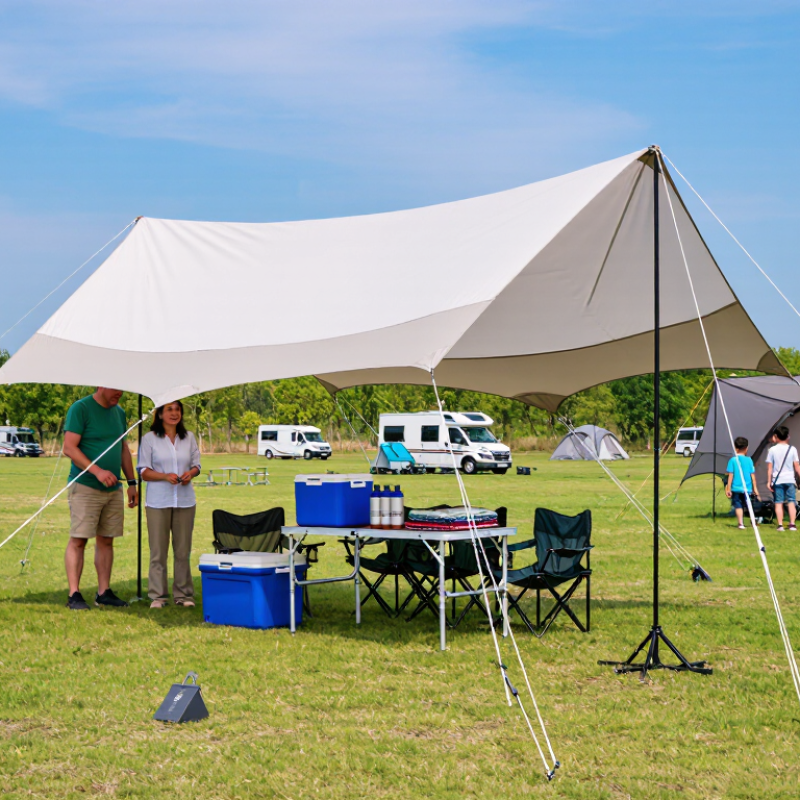
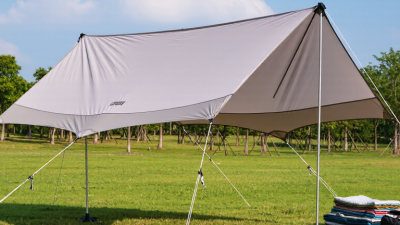
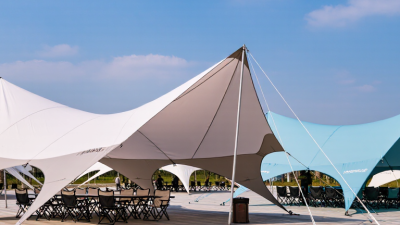
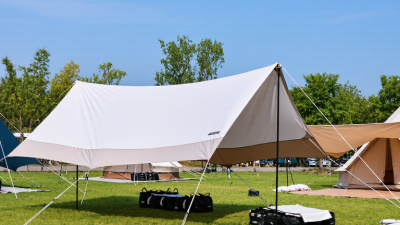
A tent canopy is a fabric roof held above the ground by poles or a frame. Many designs have open sides, so they provide shade without creating a fully enclosed room. The roof may be stretched over a central frame, supported at the corners, or attached to a larger tent. Its shape helps direct rain toward the edges, though seams and low spots can still collect water. A canopy is not automatically a shelter for severe weather. That distinction matters.
The frame carries the roof’s weight, while stakes and guy lines help resist movement from wind. On firm ground, press each stake in securely and check that the lines are taut, not loose. Keep the fabric clear of sharp branches, and look for pooling after rain begins. A small adjustment can prevent a sagging roof. Canopies are useful for shade, outdoor meals, or a dry place to set gear, but open sides offer little protection from blowing rain. The trade-off is easy to miss: a lighter setup may be quicker to carry, yet less stable in gusts. Always follow the maker’s setup guidance and avoid using a canopy when conditions exceed its limits.
| Feature | What It Is or How It Works | What to Consider When Choosing |
|---|---|---|
| Basic definition | A tent canopy is a fabric cover held above an area by a frame, poles, or both. Many portable canopies have open sides; models with walls provide more enclosure. | Decide whether you need shade and overhead shelter, an enclosed sleeping space, or a combination. A canopy alone is not necessarily a substitute for a fully enclosed tent. |
| Frame and support | The frame supports the canopy fabric and transfers wind and other forces to its legs or poles. Frames may use folding joints, straight legs, or a pole-supported design. | Check the assembled dimensions, packed size, weight, setup method, and whether the frame is designed for the intended use. Follow the maker’s assembly and anchoring instructions. |
| Canopy fabric | The roof fabric creates shade and may help shed rain. Its performance depends on the material, construction, seams, coating, and how the roof is tensioned. | Look for clear information about water resistance and UV protection. A water-resistant roof is not automatically waterproof, and ratings or claims may use different test methods. |
| Shade and UV exposure | A canopy blocks sunlight where its roof casts shade, but the amount of protection changes with the sun’s angle, fabric, and reflected light. | Choose a roof large enough for the intended shaded area. Add suitable side panels when needed, while keeping ventilation and safe access in mind. |
| Rain and drainage | A sloped or peaked roof can help rain run off. Flat or poorly tensioned fabric can collect water, adding weight and stressing the frame. | Use the canopy only in conditions allowed by its instructions. Set it up with the recommended roof tension and drainage, and do not allow water to pool. |
| Wind and anchoring | Wind can lift or overturn a canopy and place substantial force on its frame and anchors. Open-sided designs can still be affected by gusts. | Secure every leg using appropriate stakes, weights, or other approved anchors on the surface. Take the canopy down when wind exceeds the stated limits or conditions become unsafe. |
| Ventilation and walls | Open sides allow airflow. Sidewalls can reduce wind-driven rain and increase privacy, but they may also restrict airflow and catch more wind. | For warm weather, prioritize ventilation. If using walls, fit them as directed and monitor wind conditions; do not assume that adding walls makes a canopy safe in strong wind. |
| Size and clearance | Coverage depends on the roof’s dimensions and shape, while usable space also depends on leg placement and interior clearance. | Measure the area and check the product’s stated footprint and peak height. Allow room for entry, furniture, and any required clearances from buildings or heat sources. |
| Typical uses | Portable canopies are commonly used for outdoor shade, picnics, markets, events, and temporary cover for equipment or seating. | Match the design to the task. For overnight shelter, insect protection, or severe weather, choose equipment specifically designed and rated for those conditions. |
| Care and storage | Moisture stored against fabric can encourage mildew, while forced folding or transport with loose parts can damage fabric and joints. | Clean and dry the canopy before storage, inspect seams and frame joints, and pack it according to its instructions. |