A good day on the trail can change quickly: cool morning air gives way to warm sun, a steep climb, or an unexpected shower. The right Hiking Day Pack keeps water, snacks, a light layer, and small essentials close without turning every step into a burden. Too small, and a rain shell gets strapped awkwardly outside. Too large, and unused space invites extra weight. Fit matters, too; shoulder straps should sit comfortably, while the hip belt should feel useful rather than restrictive.
Outdoor-industry pioneer and climber Yvon Chouinard wrote, “The more you know, the less you need.” That idea is a helpful lens for choosing a day pack: carry what your route requires, not every item you might imagine needing. Still, there is no perfect pack for everyone. A short, dry woodland loop calls for different features than a long, exposed ridge walk. And even careful comparisons cannot predict how a pack will feel on your shoulders after several miles.
This guide to the Top 10 Hiking Day Packs for Every Adventure compares practical details, including capacity, fit, access, pockets, and weather protection. It also considers the small things hikers notice on the move: whether a bottle is easy to reach, a zipper works with cold fingers, or the load shifts on uneven ground. Use the picks as a starting point, then match them to your body, route, and habits. A little trial and error may still be part of the process.
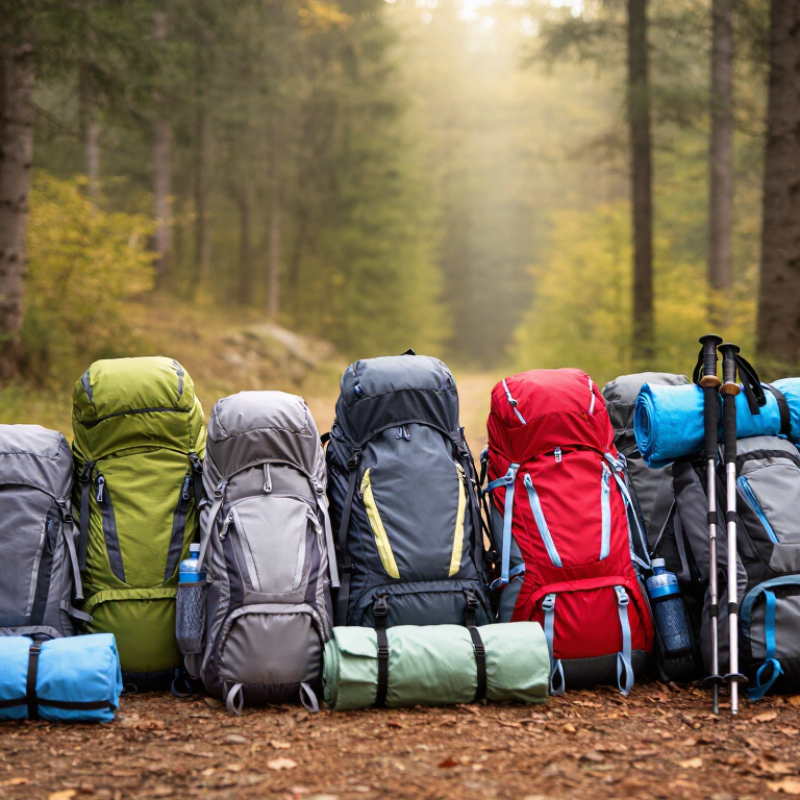
A hiking day pack is a compact carry system for trips that end before bedtime, not simply a smaller overnight bag. Many practical models hold about 10 to 30 liters, though no single capacity fits every route. Fit matters more than the number on the label. The pack should sit close to your back, with shoulder straps that do not dig in and a sternum strap that stays comfortable while climbing. A hip belt can reduce shoulder strain when carrying water, food, and a light layer. Try it with weight inside. An empty pack can feel misleadingly comfortable.
The Outdoor Industry Association’s 2024 Outdoor Participation Trends Report counted 175.8 million U.S. outdoor participants in 2023, showing how many people need gear suited to varied outings. For day hikes, useful design means quick access to water, secure pockets, and space for basic safety items. The National Park Service’s Ten Essentials guidance includes navigation, sun protection, insulation, and first aid; a day pack should carry these without forcing a careless overload. That balance is not exact. I still overpack sometimes, then notice every extra bottle on a steep, warm trail. A pack’s real test is how it carries essentials after several hours, not how tidy it looks on a shop shelf.
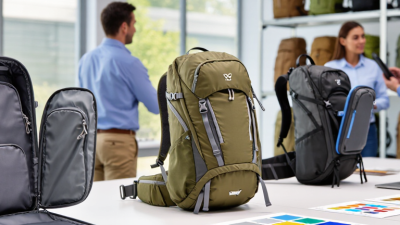
Capacity shapes what a pack can carry, but bigger is not always better. For a short walk with water, snacks, and a light layer, a compact 15-liter pack may be enough. Longer routes or changing weather call for roomier options. Leave space for essentials, not a pile of “just in case” items. Extra capacity can quietly invite overpacking.
Fit matters on the trail. Check the pack against your torso length, then adjust the shoulder straps so they rest comfortably without pulling. A hip belt should sit securely and transfer some weight from your shoulders, especially when the pack is full. Walk around with a realistic load before buying, if possible. Small details count. A strap that rubs in a shop may become miserable after several miles.
Design determines how easily you reach and organize your gear. Side pockets should hold bottles firmly, while an accessible top pocket keeps snacks or a map close at hand. A breathable back panel can reduce sweat, though it will not keep you cool on a steep climb. Weather-resistant fabric helps with brief showers, but a pack liner offers more dependable protection for spare clothing and electronics. No design solves every problem; even a well-fitted pack may feel different after hours on uneven ground.
A useful day-pack comparison starts with fit, load stability, and access, not pocket count. Shoulder straps should lie flat, while the hip belt should transfer weight without pinching. Walk a few steps with a loaded pack; shifting bottles can make a seemingly comfortable bag feel awkward. Fit matters most. The Outdoor Industry Association’s 2024 Outdoor Participation Trends Report counted 175.8 million U.S. outdoor participants in 2023, equal to 57.3% of the population. That broad mix of users reinforces why a single “best” capacity cannot suit every hike.
For short, dry walks, a light pack and quick-access water storage may be enough. Longer routes call for space for food, an insulating layer, first-aid supplies, and rain protection. Check how the pack carries those items, not just its advertised volume. On hot trails, a ventilated back panel can reduce trapped heat, though extra structure may add weight. In wet or brushy conditions, assess fabric, zippers, and the coverage of any rain cover. I still find it easy to overvalue features in a shop. A crowded trailhead is no substitute for testing the pack on a familiar route, with the weight you expect to carry. Compare empty weight, usable storage, adjustment range, and comfort under load across the same conditions.
| Rank | Pack style | Typical capacity | Typical empty weight | Best suited conditions | Evaluation criteria | Trade-offs |
|---|---|---|---|---|---|---|
| 1 | Minimalist frameless pack | 10–18 L | About 200–500 g | Short, fair-weather hikes with a small load | Low weight, simple access, comfortable fit with a light load | Limited structure and organization; less comfortable when heavily loaded |
| 2 | Compact summit pack | 15–22 L | About 300–700 g | Fast hikes and summit outings where compactness matters | Packability, secure closure, and stable carry while moving quickly | Small volume leaves little room for extra layers or bulky gear |
| 3 | Lightweight all-around pack | 18–25 L | About 400–900 g | Day hikes in mild conditions with food, water, and a spare layer | Useful capacity, easy-to-reach pockets, and padded shoulder straps | Usually offers less load support than a pack with a substantial frame |
| 4 | Ventilated-back pack | 20–30 L | About 700–1,300 g | Warm-weather hikes and sustained climbs | Air gap behind the back, adjustable fit, and stable frame design | The frame can add weight and may hold the load farther from the back |
| 5 | Traditional framed day pack | 20–30 L | About 800–1,500 g | Longer day hikes or outings with heavier food and equipment | Frame and hip-belt support, torso fit, and balanced load transfer | Heavier and bulkier than simpler packs of similar capacity |
| 6 | Adjustable-fit pack | 20–30 L | About 700–1,400 g | Hikes where precise torso and shoulder fit is a priority | Torso-length adjustment, harness comfort, and hip-belt alignment | Adjustment hardware may add weight; fit still needs to be tested in person |
| 7 | Hydration-focused pack | 5–15 L, plus reservoir space | About 250–700 g, excluding reservoir | Short, warm-weather hikes when frequent drinking is useful | Reservoir compatibility, hose routing, bite-valve access, and stability | Less room for bulky layers; reservoir requires cleaning and drying |
| 8 | Technical alpine day pack | 20–35 L | About 600–1,400 g | Scrambles and mountain routes requiring attachment points for equipment | Secure carry, durable fabric, and suitable tool or pole attachment points | Specialized features may be unnecessary for ordinary trail hiking |
| 9 | Weather-resistant roll-top pack | 20–30 L | About 500–1,100 g | Changeable weather and routes where simple closure is preferred | Fabric coating, seam construction, closure design, and pack-liner compatibility | Roll-top access can be slower; weather resistance does not guarantee waterproofing |
| 10 | High-capacity day pack | 28–35 L | About 900–1,700 g | Cold-weather day hikes, family outings, or extra layers and safety gear | Load support, compartment access, compression straps, and fit when full | Can encourage carrying unnecessary gear and may feel oversized on short hikes |
A useful hiking day pack should match the outing, not just look rugged. The Outdoor Industry Association’s 2024 Outdoor Participation Trends Report counted 175.8 million U.S. outdoor participants in 2023. That variety of activity calls for different carrying needs. Ten useful pack styles include ultralight models for short trails, hydration packs for fast hikes, ventilated packs for hot weather, weather-resistant packs for wet forecasts, and compact summit packs. Other options suit photographers, families, winter layers, trail-to-town commutes, or heavier day loads. Fit matters more.
When comparing packs, check torso fit, shoulder-strap comfort, and how weight sits when the bag is loaded. A hip belt can steady heavier loads, while accessible pockets help keep snacks or a map close. Don’t assume the largest capacity is best; extra space can tempt you to carry unnecessary gear. I’ve found that even a well-designed pack can feel awkward if its contents shift on steep ground.
Tips: Try the pack with the layers and water you expect to carry. Adjust the straps, walk a few minutes, and notice pressure points. For a long or remote route, leave room for water, food, a warm layer, and basic first aid. Small details matter.
A practical comparison of typical pack volumes, in liters, for different day-hiking needs.
These are planning benchmarks, not specifications for particular products. The right capacity depends on trip length, weather, and the gear and water you need to carry.
Match the pack to the route before comparing features. A two-hour loop on a shaded, well-marked trail usually needs less space than a full-day ridge walk. Carry water, a compact first-aid kit, food, a light layer, and navigation essentials. Keep it simple. A smaller pack can discourage carrying gear you are unlikely to use, but it should not force essentials outside.
For longer or exposed routes, allow room for extra water, warm clothing, and rain protection. Check the forecast, then consider how quickly conditions can change at higher elevations. A pack with a supportive hip belt and adjustable sternum strap can feel steadier when carrying heavier supplies. Try it loaded, not empty. Walk around and notice pressure on your shoulders, rubbing near your hips, or items shifting with each step.
Let your gear shape the layout. Side pockets should hold bottles you can reach, while a separate sleeve can keep a damp layer away from dry food. On rocky trails, secure straps and a close-fitting shape help prevent snags. On hot, gentle routes, ventilation may matter more than extra compartments. It is easy to overestimate what you need; even careful planning can miss a detail. Recheck the load at home, and remove anything that serves no clear purpose.