Leave Your Message

Who Are the Best Hiking Day Pack Suppliers in China?

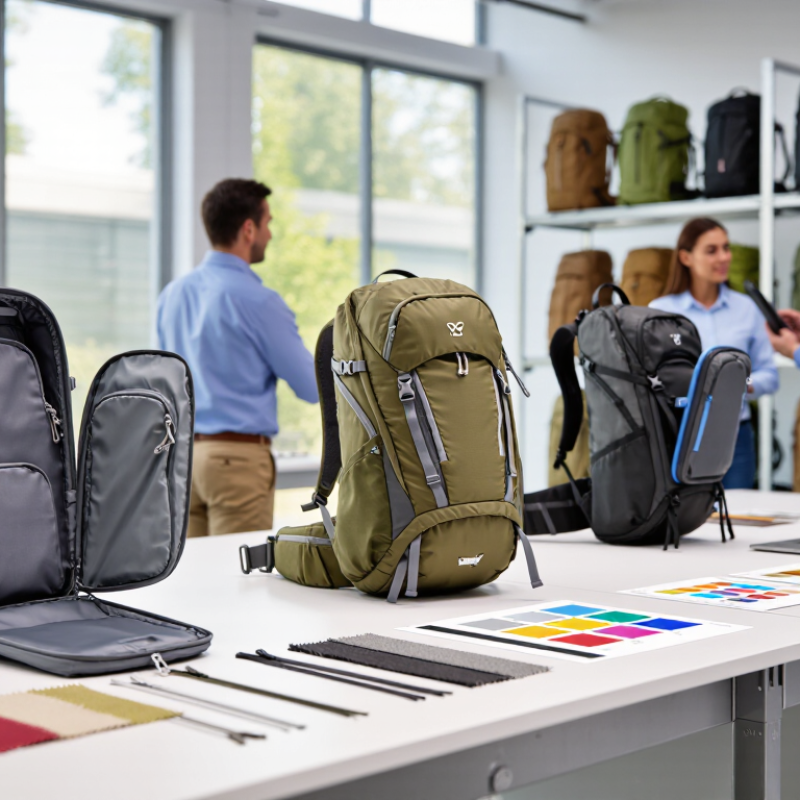
Choosing the best Hiking Day Pack supplier in China requires more than comparing catalog prices. A reliable supplier should understand daily trail use, commuter comfort, weather exposure, and repeated loading. Product quality often appears in small details: smooth zippers, reinforced shoulder-strap stitching, breathable back panels, and pockets that remain accessible while walking. These details matter.

This guide examines Chinese manufacturers through practical purchasing criteria. It considers factory experience, material sourcing, sample quality, production consistency, communication, and after-sales support. Buyers should request physical samples before placing large orders. A clear sample can reveal weak seams, uncomfortable padding, or inaccurate color matching. Factory audits, production photos, test reports, and customer references can also support better decisions. Certifications may help, but paperwork alone does not prove dependable workmanship.

The strongest suppliers usually explain their design limits honestly. They should discuss fabric density, coating performance, load capacity, minimum order quantities, and realistic delivery schedules. Some factories offer impressive prototypes but struggle with repeated production. That gap deserves attention. Pricing is important, yet the cheapest quote may create higher costs through defects, returns, and delayed launches. A thoughtful comparison should balance quality, capacity, customization, and responsive service. Even experienced buyers can overlook a minor issue. A missing drainage detail or poorly placed buckle may only appear during a rainy hike. This article provides a careful starting point for identifying capable Hiking Day Pack suppliers in China, while recognizing that every supplier still requires direct verification.
Who Are the Best Hiking Day Pack Suppliers in China?

What Is a Hiking Day Pack Supplier in China?

A hiking day pack supplier in China is a manufacturer or sourcing partner that develops, produces, and exports small outdoor backpacks for one-day trips. These suppliers may provide OEM or ODM services, including pattern design, fabric selection, sampling, stitching, and packaging. A capable supplier should understand load distribution, breathable back panels, sternum straps, water-resistant zippers, and abrasion-prone areas.

This industry is closely linked to China’s broad manufacturing network. The World Trade Organization reported that China accounted for about 14% of global merchandise exports in 2023. That scale supports access to fabric mills, buckle producers, foam suppliers, and testing laboratories. Material choices also deserve attention. The 2024 Textile Exchange Materials Market Report stated that polyester represented approximately 59% of global fiber production in 2023. Recycled options exist, but certification and traceability must be checked carefully.

In practical sourcing, buyers should request a complete specification sheet, material test reports, stitching samples, and production photos. A supplier should explain capacity, minimum order quantities, inspection procedures, and corrective actions. Factory audits can reveal crowded work areas, weak quality records, or inconsistent seam control. These details matter more than polished catalog images. No factory is perfect. I have found that small samples often expose problems earlier than meetings do. A useful supplier communicates clearly, records changes, and accepts reasonable third-party inspections. Supplier selection remains a process, not a single online search.
How Are Chinese Day Pack Suppliers Evaluated?

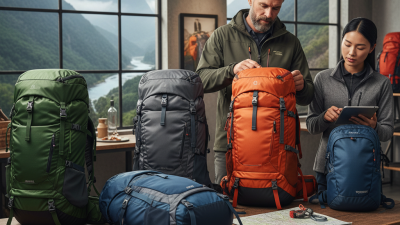
Evaluating Chinese hiking day pack suppliers requires more than comparing catalog photos and quoted prices. A capable supplier should explain fabric weight, coating, seam construction, zipper specifications, and load-bearing limits in plain terms. Ask for a sample and inspect it with a realistic load. Check whether shoulder straps twist, stitching pulls, or water beads through the fabric after a brief spray test. Small details matter.

Production consistency is equally important. Request clear information about material sourcing, inspection steps, minimum order quantities, and lead times. For larger orders, agree on measurable quality checks, such as stitch spacing and acceptable color variation, before production begins. Ask how defects are recorded and handled; vague answers deserve follow-up. No supplier is perfect. A sample may feel sturdy but reveal weak seams after repeated use, so testing should reflect actual trail conditions. Communication also provides evidence: reliable teams answer technical questions directly and flag limits instead of promising everything. Compare written specifications with the physical sample, then keep records of changes. That takes time, but it can prevent costly surprises.

Who Are the Best Hiking Day Pack Suppliers in China? - How Are Chinese Day Pack Suppliers Evaluated?

Practical evaluation benchmarks for selecting reliable Chinese hiking day pack suppliers

Evaluation Dimension Typical Market Benchmark Strong Supplier Indicator Recommended Verification Method Suggested Weight
Product Design Capability Ability to develop day packs in common capacities such as 10–30 liters, with options for hydration storage, breathable back panels, compression straps, and adjustable harnesses. Provides structured tech packs, 3D or physical samples, ergonomic revisions, and material alternatives without relying only on standard catalog products. Review sample-development records, pattern drawings, prototype quality, and the supplier’s response to a detailed product brief. 15%
Material Knowledge Common day pack materials include polyester and nylon fabrics, with fabric density and coating selected according to abrasion, weight, water resistance, and cost requirements. Can provide fabric specifications, coating information, colorfastness data, recycled-content documentation where applicable, and approved substitute materials. Request fabric test reports, laboratory samples, supplier declarations, and production swatches from the same material lot. 10%
Stitching and Construction Quality Key quality points include even seams, secure bartacks, reinforced shoulder-strap attachment, smooth zippers, clean binding, and consistent panel alignment. Uses documented sewing standards, inspection checkpoints, reinforcement at high-load areas, and measurable defect criteria. Inspect pre-production samples and random production units; conduct seam, zipper, strap-attachment, and load-bearing checks. 15%
Quality Management Export-oriented factories commonly use incoming-material inspection, in-line inspection, final inspection, and corrective-action procedures. Maintains written quality-control procedures, inspection records, traceability, nonconformance reports, and clear acceptance standards. Audit the factory or appoint an independent inspection company to review production controls and finished goods. 15%
Compliance and Testing Requirements vary by destination and may cover restricted substances, product safety, packaging, labeling, social compliance, and environmental claims. Understands destination-market requirements and can arrange current third-party testing for fabrics, trims, finished products, and restricted substances. Check the scope, date, laboratory, and product reference shown on test reports rather than accepting generic certificates. 10%
Minimum Order Quantity For customized day packs, a practical starting range is often about 100–500 pieces per color or design, depending on materials, trims, and factory capacity. Offers a clearly defined MOQ policy and can explain the effect of lower quantities on fabric purchasing, setup costs, and unit price. Request a written quotation showing MOQ by style, color, material, and logo or trim configuration. 8%
Sample and Production Lead Time Standard samples may take approximately 7–15 days, while customized production commonly takes about 25–45 days after approvals and material confirmation. Provides a milestone schedule covering sample approval, material booking, bulk production, inspection, and shipment readiness. Compare promised dates with actual sample and trial-order performance; confirm whether lead times exclude holidays and material delays. 10%
Production Capacity Capacity depends on sewing lines, skilled labor, cutting equipment, automation, seasonality, and the complexity of the backpack construction. Can demonstrate stable monthly output, backup production planning, line balancing, and the ability to reserve capacity during peak seasons. Verify production-line information, recent order references without confidential customer details, and capacity allocation procedures. 7%
Customization and Flexibility Typical customization may include fabric, color, logo application, lining, zipper pulls, labels, packaging, and pocket configuration. Maintains an organized approval process and controls revisions so that specifications remain consistent from sample to bulk production. Issue a written specification sheet and check whether the supplier records every approved change and deviation. 5%
Commercial Transparency Quotations should identify product price, tooling or setup charges, sampling fees, packaging, inspection, payment terms, and delivery terms. Provides a complete cost breakdown with stable assumptions and clearly states what is included or excluded from the quoted price. Compare at least three written quotations using the same material, quantity, packaging, and delivery conditions. 5%

Which Types of Suppliers Serve Different Buyer Needs?

Choosing the best hiking day pack supplier in China depends on the buyer’s operating needs, not only the lowest quotation. Direct manufacturers suit importers seeking stable production, custom fabrics, and private-label development. They often provide clearer control over materials, stitching, zippers, and quality checks. However, minimum order quantities can be high. Small retailers may find this difficult.

Trading companies serve buyers who need several product categories from one contact. They can coordinate packs, rain covers, trekking accessories, and packaging. This reduces communication work. Yet, buyers should confirm where production occurs. A supplier without factory transparency may provide slower answers about defects or material changes. Requesting samples, inspection records, and written specifications is practical. It also reveals how the supplier handles mistakes.

Wholesalers with ready-stock products fit online sellers, outdoor schools, and seasonal distributors needing quick delivery. Their designs may be less distinctive, but inventory is easier to test. Custom-development workshops are better for technical buyers requiring hydration sleeves, adjustable torso systems, lightweight frames, or recycled fabrics. These workshops usually need detailed measurements and field feedback. I have found that a comfortable sample can still fail after repeated rain exposure or heavy loading. That gap deserves attention. Buyers should test shoulder straps, seam strength, back ventilation, and buckle performance before placing larger orders. Supplier type matters, but communication discipline matters more.

What Manufacturing and Customization Capabilities Do They Offer?

China’s strongest hiking day pack suppliers usually combine OEM and ODM production. They can develop a pack from a sketch, measurement sheet, or reference sample. Experienced teams adjust shoulder straps, hip belts, back panels, and load-bearing points for comfort. Many factories offer nylon, polyester, recycled fabrics, mesh, aluminum stays, waterproof coatings, and durable zippers. Their sample rooms can produce prototypes before bulk manufacturing begins. This helps buyers inspect stitching, pocket access, weight balance, and water resistance.

Tips: Request a complete material list. Ask for fabric weight, coating details, zipper specifications, and test methods. Review a physical sample, not only digital images. Test it with six to ten kilograms during walking. Check whether shoulder straps remain stable. Small defects often appear here.

Customization may include color matching, woven labels, molded parts, laser-cut panels, hydration sleeves, and reflective details. Professional suppliers should provide pattern files, pre-production samples, and documented quality inspections. They may also support small trial orders, but minimum quantities vary widely. Confirm production capacity, sampling time, packaging standards, and export experience in writing. A reliable factory explains limitations instead of promising everything. That matters. Some suppliers look highly capable online but outsource key operations, which can weaken consistency. Factory audits, third-party inspections, and clear approval checkpoints reduce this risk. Even strong suppliers need practical feedback; a beautiful prototype may still feel uncomfortable after several hours on a steep trail.

How Can Buyers Verify and Choose a Supplier?

Choosing a hiking day pack supplier in China requires more than comparing factory prices. A credible supplier should show a real production site, clear material records, and consistent export experience. Ask for registration details, workshop photos, and recent production videos. Better still, arrange an independent factory audit. A polished catalog proves little. Small details matter. Check whether cutting tables are clean, zippers are stored dry, and workers follow inspection steps. These observations often reveal more than sales promises.

Request samples made from the same fabric, foam, buckles, and stitching planned for mass production. Test shoulder straps with loaded packs, pull webbing by hand, and inspect bartacks near the hip belt. Ask for measurable standards, such as fabric tear strength, seam tolerance, colorfastness, and water-resistance performance. A supplier should explain test methods and provide dated reports. If answers remain vague, pause the order. I once treated a sample as final proof; that was too optimistic. Production changes exposed weaker stitching, so written specifications became essential.

Compare several suppliers through a simple scorecard covering quality, communication, capacity, lead time, and corrective action. Check references from buyers with similar volumes. Confirm payment terms, packaging details, inspection rights, and replacement procedures before signing. Keep approvals in writing, including drawings and sample photos. A short video call with the quality manager can expose gaps quickly. Do not choose the cheapest quote automatically. Cheap may become expensive after rework, delays, or field complaints. Some judgments remain uncertain. Recheck them before scaling.