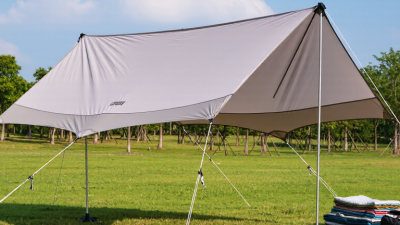
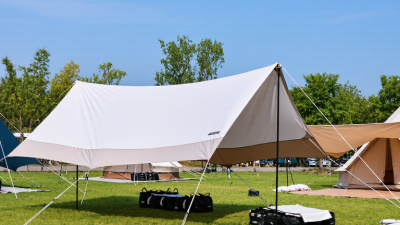
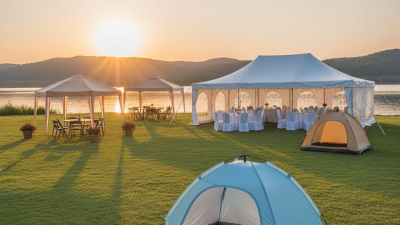
10 Tent Canopy Buying Tips for Global Buyers
Choosing a Tent Canopy for international purchasing is rarely just a matter of comparing prices. Buyers must match the shelter to its real job: a weekend market stall, a garden event, or a busy exhibition floor. I have seen small details cause large headaches. A frame that feels sturdy in a showroom may wobble on uneven ground. A fabric sample may look bright indoors but fade quickly in strong sunlight. Details matter.
These ten buying tips help global buyers ask better questions before placing an order. They cover frame materials, canopy fabric, dimensions, setup, packaging, customization, and supplier communication. Check the stated measurements against your display space, including legs and roof overhang. Ask how fabric performance is tested, and request clear photos of joints, seams, and carry bags. If units, color references, or delivery terms seem unclear, pause and confirm them in writing. It sounds basic. It saves trouble.
A checklist cannot predict every gust of wind or late shipment. Nor can a polished product page replace a sample or a careful supplier review. Some guidance may need adjustment for your climate and use. That is worth admitting. Compare specifications consistently, look for practical evidence, and consider how replacement parts will be handled. The right Tent Canopy is not simply the cheapest option or the one with the longest feature list. It is the one whose construction, documentation, and support fit your needs, with fewer surprises after arrival.
Identify the Right Tent Canopy Type for Your Intended Use
Start with the setting, not the fabric color. A weekend market with frequent setup favors a lightweight pop-up canopy. Its folding frame can save time, but check packed dimensions and how many people are needed to lift it. Quick to open does not mean easy to transport.
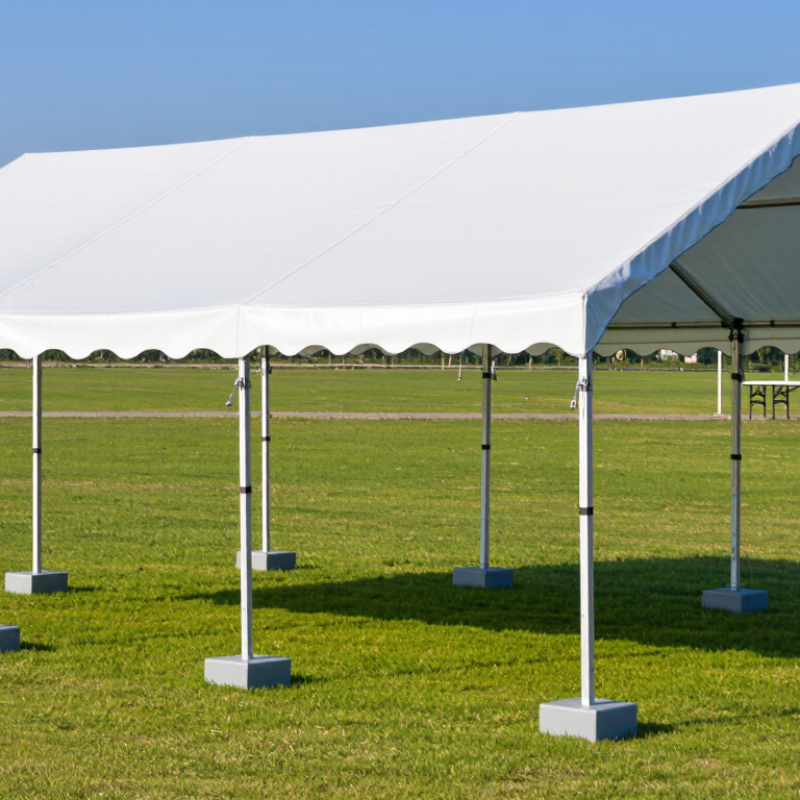
For longer events or semi-permanent use, a frame canopy may offer more space and flexible sidewall options. A pole tent can suit open lawns, where stakes have room to hold. It is less practical on hard surfaces. Need clear space inside? A tension-style structure may avoid interior support poles, but often needs careful anchoring and more setup planning.
Match the design to wind exposure, ground conditions, and expected attendance. Ask for frame material, fabric weight, connection details, and tested wind guidance; a product photo cannot confirm stability. Measure doorways and storage areas, too. Small details matter. Buyers sometimes focus on the largest footprint, then discover that the canopy will not fit their vehicle or available setup crew. Recheck the plan before ordering, especially if the site changes between events.
Compare Materials, Frame Design, and Weather Resistance
When comparing tent canopies, start with the fabric rather than the color. Polyester is common because it dries quickly and stays relatively light. A coated fabric can help block rain, but coating quality and seam construction matter just as much. Check whether water beads on the surface and whether stitched seams are sealed. A dark fabric may offer shade, yet it can feel hotter underneath on a still afternoon. Small details count.
Frame design affects setup, stability, and transport. Steel frames often feel sturdy, but they are heavier to carry and may corrode if their finish is damaged. Aluminum is lighter and easier to move, though thin sections can flex under pressure. Inspect joints, locking pins, and feet. They should fit securely without requiring awkward force. A frame that assembles quickly is useful, but loose connections can become a weak point. Not always obvious.
Weather resistance needs a realistic check. Look for a canopy with a stated water-resistance rating, then consider wind exposure and drainage. A roof that holds a shallow pool of rain can strain its supports. Sloped panels and reinforced corners help direct water away. No portable canopy should be treated as storm-proof. Use suitable ground anchors, follow the maker’s setup guidance, and take the canopy down when conditions worsen. There is a trade-off: adding weight or reinforcement may improve stability, but it also makes transport harder. Decide which compromise fits your use.
Check Dimensions, Portability, and Setup Requirements
SPACE & CLEARANCE
A canopy’s listed footprint is only the starting point. Measure the full space available, including chairs, serving tables, and room for people to pass. A 3-by-3-metre shelter may feel roomy when empty, then crowded once equipment goes underneath. Check both the peak height and the side clearance, especially near doors or low branches. Measure twice.
PACKED SIZE & WEIGHT
Portable models need checking in their packed form, too. Compare the folded dimensions with your vehicle, storage shelf, or shipping carton limit. Weight matters, but so does how it is distributed: a long, awkward bag can be harder to carry than a slightly heavier compact one. Small detail, big difference. Confirm whether the stated weight includes the frame, canopy fabric, and carry bag; product specifications do not always make this obvious.
SETUP & REPLACEMENT PARTS
Setup requirements can change a buying decision. Look for clear instructions, the number of people recommended for assembly, and whether tools are needed. Ask how long setup usually takes under ordinary conditions, rather than relying on an ideal demonstration. Check that replacement connectors and fabric panels can be identified by part. It is easy to focus on the frame and overlook the small pieces that make setup smooth. Even a careful checklist can miss something, so verify the packed contents before the first event.
Verify Safety Standards, Certifications, and Supplier Quality
10 Tent Canopy Buying Tips for Global Buyers
Verify Safety Standards, Certifications, and Supplier Quality
Before ordering, confirm which safety requirements apply to the exact canopy type and destination market. ISO 5912:2020 specifies requirements and test methods for camping tents, but it does not automatically cover every event canopy. Ask suppliers to identify the standard used and provide current test reports that match the product model, fabric, frame, and construction. Check the exact model. A certificate for a similar product is not enough.
The Outdoor Foundation’s 2024 Outdoor Participation Trends Report counted 175.8 million U.S. outdoor participants in 2023, or 57.3% of the population. That figure is not a canopy safety measure, but it reflects how many people use outdoor spaces where reliable shelter matters. For coated fabrics, request the actual flammability test method and results required by your market; there is no single test that applies everywhere. Confirm that the report comes from a competent laboratory, such as one accredited to ISO/IEC 17025.
Review supplier quality beyond documents. Ask for production-batch traceability, inspection records, and evidence that seams, joints, and frame connections were checked. If possible, inspect a production sample, not just a display unit. A certificate can still miss a weak seam. Real-world setup, anchoring, and weather exposure affect performance, too, so written claims should state their limits clearly.
Calculate Total Costs, Shipping Needs, and Import Requirements
Before ordering a tent canopy, calculate the landed cost, not just the unit price. Include packaging, inland transport, export handling, freight, insurance, import duties, taxes, and delivery to your warehouse. Request the packed carton dimensions and gross weight; a folded frame may take more space than expected. Compare air and sea freight using the same delivery terms. Small details matter.
Tips: Ask suppliers for a packing list, product materials, and estimated production date. Get written freight quotes that show surcharges and destination fees. Check whether the quote includes customs clearance or only transport. A low shipping estimate can look convincing, but it may exclude port handling. That is easy to overlook.
Import requirements vary by destination and product design. Confirm applicable product-safety, labeling, and documentation rules with the relevant customs authority or a qualified broker before paying a deposit. Keep invoices, packing lists, and product descriptions consistent. If the canopy includes fabric panels, describe their material accurately. Estimates can still change when shipment dimensions or clearance details differ, so leave room in your budget.