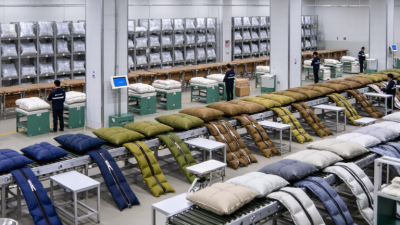
Where can buyers find Good Sleeping Bags from China without relying on attractive photos alone? Start with manufacturers and exporters that can explain their insulation, shell fabric, temperature-rating method, and quality checks. Ask for a sample. Inspect the stitching, zipper, hood, and draft collar in person. Small details matter on a cold night.
Demand offers useful context, but it does not prove product quality. The Outdoor Industry Association’s 2024 Outdoor Participation Trends Report counted 175.8 million U.S. outdoor participants in 2023. That broad figure includes many activities, not just camping or sleeping-bag purchases. Still, it signals a substantial audience for outdoor equipment. For China-based sourcing, buyers should compare factory capabilities, production consistency, sample performance, and communication—not just quoted prices.
Outdoor educator and gear specialist Andrew Skurka is known for emphasizing that equipment choices should match actual trip conditions. A practical paraphrase of that advice: “Choose for the nights you will face, not the claims on the label.” Treat it as a buying principle, not a verified verbatim quotation. Ratings can also be confusing; comfort and limit figures are not interchangeable. Ask suppliers which test method supports each rating, and request documentation where available. Some listings will look polished. That is not enough. A careful buyer checks the bag, the evidence, and the supplier before placing an order.
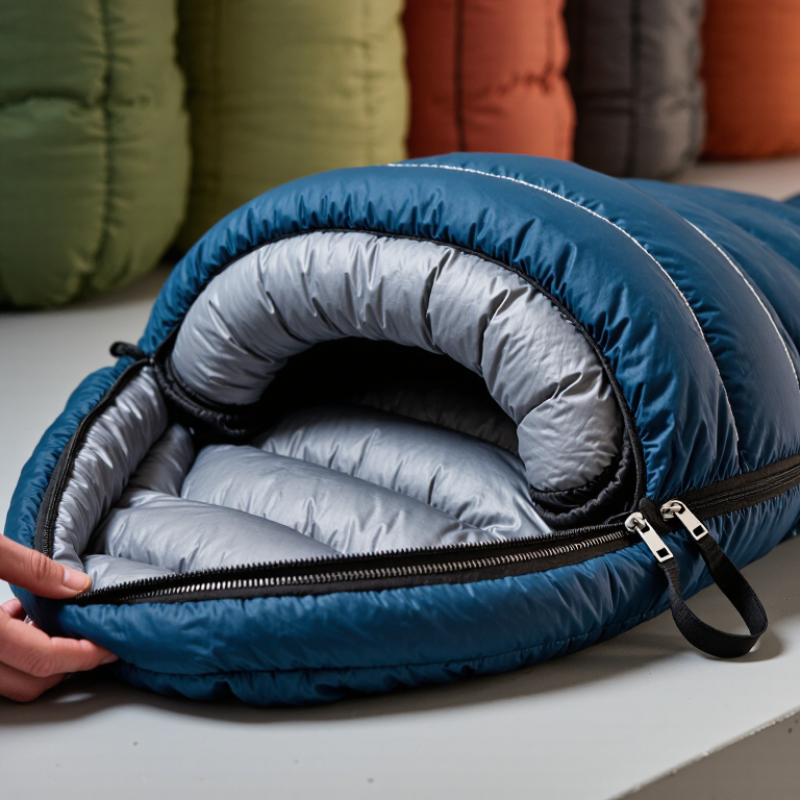
A good sleeping bag made in China is defined by dependable construction, suitable materials, and honest performance information. Check the insulation type and weight, shell fabric, lining, and stitching. For down, ask about fill power and fill weight; for synthetic insulation, check how evenly it is distributed. Small details matter. A zipper that catches on fabric can spoil a cold night. Look for reinforced seams, a smooth draft tube, and a hood that adjusts without leaving gaps. The temperature rating should be clearly explained and supported by relevant test data, not treated as a guarantee for every sleeper.
Tips: Request a specification sheet and inspect a production sample. Compare its measurements and weight with the listed details. Ask how the comfort rating was tested, and whether the sample uses the same materials as bulk orders. Check whether the bag still fits your intended sleeping pad and clothing layers.
Price alone tells little. A lighter bag may be easier to carry, but it can feel less warm if its insulation is thinner. And a neat sample is not proof that every unit will match. I would also check packing size, care instructions, and zipper operation before choosing a supplier. Some specifications can be confusing; ask for clarification in writing rather than guessing.
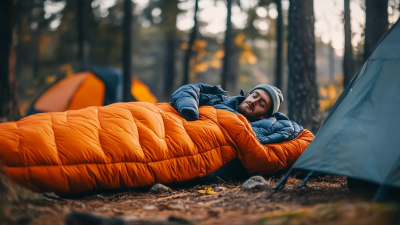
China offers several sourcing channels for sleeping bags, and the right choice depends on order size, customization, and quality-control needs. Direct factory sourcing can suit larger orders or specific designs. Ask for fabric weight, insulation type, zipper details, packed dimensions, and the temperature rating’s testing basis. Request a sample before confirming production. Feel the shell, inspect the seams, and test the zipper yourself.
Online wholesale platforms make it easier to compare suppliers, product specifications, and minimum order quantities. Still, a polished listing proves little. Check whether the seller is a manufacturer or a trading company, and ask for recent product photos and a clear written quotation.
Trade fairs offer a more tactile option: you can handle samples and discuss construction face to face. Small details matter.
A local sourcing agent may help with supplier communication, sample coordination, and factory checks, especially if you cannot visit China. Confirm the agent’s fees and exactly what inspections include. No channel is perfect.
Even a strong sample may differ from a bulk shipment, so agree on measurable specifications and arrange a pre-shipment inspection when the order justifies the cost. Keep written records of changes, materials, and agreed tolerances; misunderstandings can happen, even with careful suppliers.
Where to Buy Good Sleeping Bags from China?
How to Compare Manufacturers, Materials, and Product Standards
A reliable supplier should explain how each sleeping bag is tested, not just quote its fill weight. Ask for a current laboratory report referencing EN ISO 23537-1, which covers thermal testing and temperature ratings. Compare the stated comfort temperature with your intended conditions; a “-10°C” label alone can hide important differences. Request samples, then inspect stitching, zipper operation, hood fit, and insulation distribution. Small cold spots matter.
Material choice depends on use. Down is compressible and light, but loses insulating performance when wet. Synthetic fill usually handles damp conditions better, though it can take more space. Ask how fill power or insulation weight is measured, and whether specifications apply to finished products. The Outdoor Industry Association’s 2024 Outdoor Participation Trends Report counted 175.8 million U.S. outdoor participants in 2023. That signals broad demand, but it does not prove any factory’s quality. Factory audits and batch-level inspection still matter. Paperwork can look reassuring. Sometimes it is not enough.
Tips: Ask for the test lab, test date, and model number on every report. Confirm that the tested sample matches your order. Request traceability for fabric and filling, plus a written defect policy. Then check a production sample yourself. It may feel overly cautious, but I would not skip it.
When sourcing a sleeping bag from China, verify the supplier before discussing a large order. Ask for its registered business name, factory address, and a live video walkthrough. Look for cutting tables, sewing stations, inspection areas, and finished goods that match the products offered. A polished showroom proves little. Ask for a sample.
Check whether the sample matches the written specification. Record the shell fabric, insulation type and weight, bag dimensions, zipper design, and packed size. Request the temperature-rating method and test documentation, then confirm that the report covers the same materials and construction. If a certificate is relevant to your destination market, verify it with the issuing organization. Documents can look convincing and still be outdated.
Before paying, request production timelines, inspection procedures, and contact details for recent trade references. Agree in writing on tolerances, packaging, defect handling, and what happens if an inspection fails. Use a payment method with clear records, and avoid sending the full balance before agreed checks are complete. I would not treat one good sample as proof that every unit will match; production can vary. That uncertainty is worth addressing in the contract.
Check that the supplier can provide a test report for the exact sleeping-bag model you plan to order. ISO 23537 temperature ratings include three values: Comfort, Limit, and Extreme. The temperatures themselves are product-specific; verify the model details, standard version, and testing laboratory on the report.
Supplier check: Ask for the complete laboratory report, confirm the tested model matches your quotation, and verify the laboratory’s accreditation scope for the relevant test.
Where to Buy Good Sleeping Bags from China?
What to Consider When Importing Sleeping Bags from China
A suitable supplier should show more than polished product photos. Ask for factory details, production capacity, sample lead time, and references for similar orders. Request a sample with the exact shell fabric, insulation, stitching, and zipper you plan to buy. Small details matter. Check the seams and measure the filled bag yourself. For thermal performance, ask whether testing follows ISO 23537, and request the full report rather than a rating printed on a sales sheet.
Textile Exchange’s Materials Market Report 2024 estimates that global fiber production reached 124 million tonnes in 2023, with polyester accounting for 57 percent. The figures cover the wider textile industry, not sleeping bags specifically, but they make material verification worth the effort. Ask suppliers to document fabric composition, coating, fill weight, and insulation specifications. For down-filled models, request fill-power test results and sourcing documentation. For synthetic fill, check consistency across samples and production batches. A glossy sample can still hide uneven filling.
Compare quotations on the same basis. Include packaging, minimum order quantities, production time, inspection costs, and carton dimensions before comparing freight estimates. One mistake I would watch for: approving a sample without signing off on its specifications. Keep an approved sample and written measurements for bulk checks. Ask how defects are recorded and resolved. It may feel overly cautious, but vague promises are hard to inspect against.
| Where to Buy Good Sleeping Bags from China? - What to Consider When Importing Sleeping Bags from China | |||
|---|---|---|---|
| Consideration | What to Check | Practical Guidance | Useful Evidence |
| Supplier capability | Confirm whether the supplier manufactures sleeping bags or acts as a trading company, and ask about relevant production experience. | Assess production capacity, quality-control procedures, communication, and experience with your intended product type. | Factory or production-area audit, process description, product records, and references where available. |
| Temperature rating | Check how the sleeping bag's temperature performance was measured and how the rating is presented. | For applicable adult sleeping bags, EN ISO 23537 provides a standardized testing framework. Compare the stated comfort and limit ratings rather than relying only on a marketing description such as “four-season.” | Test report identifying the standard, tested model, and rating results. Confirm that the report matches the product being ordered. |
| Insulation and shell materials | Review the insulation type, fabric composition, lining, construction, and care instructions. | Compare the warmth, weight, pack size, durability, moisture behavior, and intended use. Ask for exact material specifications instead of relying on terms such as “premium” or “ultralight.” | Material specification sheet, care-label artwork, and relevant test results for the finished product. |
| Product samples | Evaluate workmanship, dimensions, zipper operation, seams, drawcords, and included accessories. | Approve a sample that matches the final specifications before confirming bulk production. Record any required changes in writing. | Signed sample approval, measurement sheet, product specification, and dated photographs. |
| Quality assurance | Agree how incoming materials, production, and finished goods will be checked. | Define inspection criteria and acceptable workmanship before production. Consider a pre-shipment inspection, especially for a first order. | Written quality checklist, inspection report, carton details, and records of corrective actions if needed. |
| Compliance and labeling | Identify the rules that apply in the destination market, including labeling, chemical restrictions, and product-safety requirements. | Requirements vary by country and product type. Confirm applicable rules with the relevant authority or a qualified compliance professional before placing an order. | Destination-specific compliance documents, accurate fiber and care information, and approved label artwork. |
| Order quantity and customization | Ask about minimum order quantities, available sizes and colors, packaging options, and the cost or timing impact of custom designs. | Minimums and customization terms are supplier-specific. Confirm whether quantities apply per style, color, or size, and request a written quotation. | Quotation, order confirmation, approved artwork, and a clear breakdown of product and packaging specifications. |
| Shipping and landed cost | Compare freight options, packing dimensions, shipment terms, insurance, and destination charges. | Calculate the estimated landed cost, including product price, freight, insurance, duties, taxes, and local handling fees. Import charges depend on the destination and product classification. | Pro forma invoice, packing details, agreed Incoterms, freight quotation, and confirmation of customs-document responsibilities. |
| Payment and order protection | Review payment milestones, beneficiary details, cancellation terms, and remedies for defects or delays. | Use a written contract or purchase order that matches the approved specifications. Verify payment instructions independently before transferring funds. | Signed order documents, commercial invoice, payment records, and written warranty or claim terms. |
| Lead time and delivery planning | Confirm production timing, inspection windows, shipping duration, and how schedule changes will be communicated. | Request a schedule with key milestones and allow time for sampling, corrections, customs clearance, and seasonal shipping delays. | Production timeline, shipment booking details, and agreed procedures for handling delays. |