Top Sleeping Bags for Ultimate Comfort and Warmth in Any Season?
When venturing into the great outdoors, comfort and warmth are paramount. Choosing the right gear is essential for an enjoyable experience. This brings us to the "Top Sleeping Bags," designed to meet diverse needs across all seasons. Selecting a sleeping bag is not just about warmth; it requires a thoughtful approach to weight, durability, and insulation type.
Some might hastily pick affordable options without considering performance. This can lead to sleepless nights in frigid conditions or discomfort in warm weather. A well-chosen sleeping bag can enhance your outdoor adventures significantly. Investing in high-quality gear is a decision that pays off in all-weather scenarios.
Features like material, shape, and temperature rating play crucial roles in finding your perfect match. Each season has unique challenges that demand specific sleeping bag characteristics. Understanding these factors can elevate your camping and hiking experiences. Hence, exploring the "Top Sleeping Bags" is fundamental for outdoor enthusiasts who prioritize warmth and comfort in any climate.
Essential Features of Sleeping Bags for All-Season Comfort
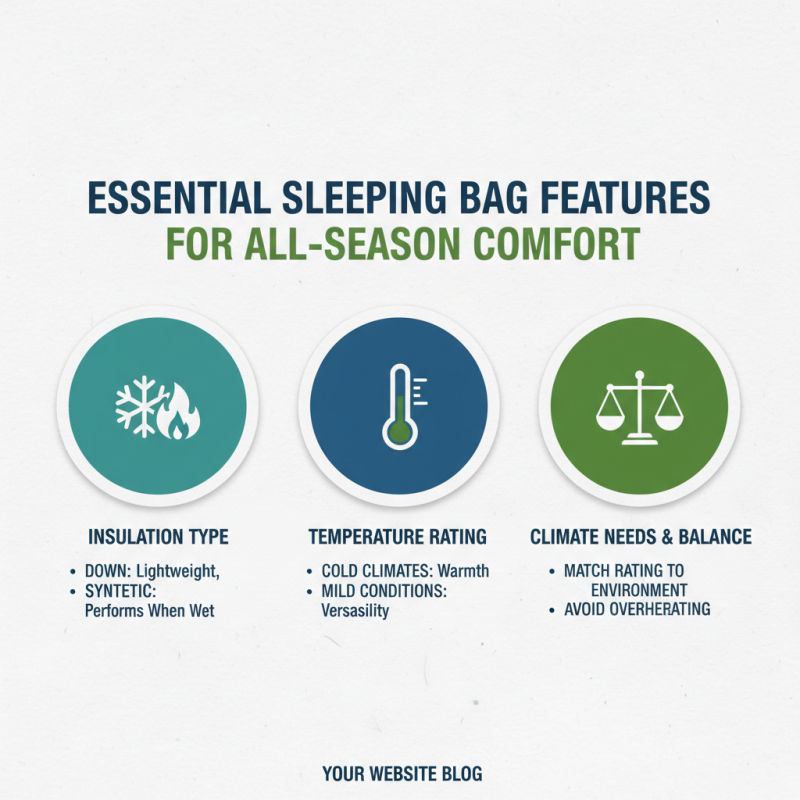
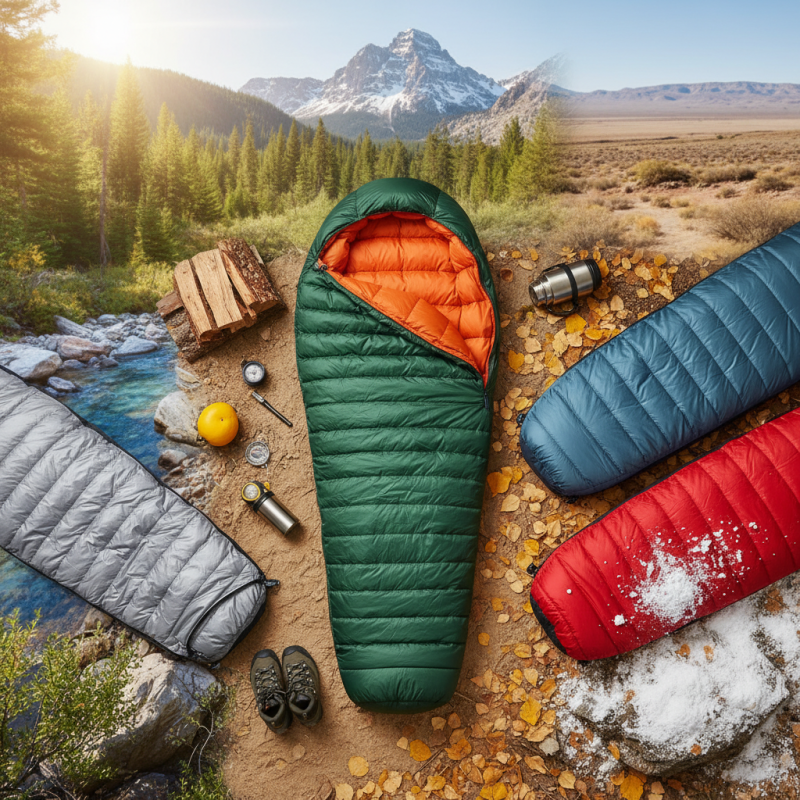
When choosing a sleeping bag for all-season comfort, consider several essential features. The insulation type plays a crucial role. Down insulation is lightweight and compressible, while synthetic options perform well when wet. Understand your climate needs. A bag rated for colder temperatures will ensure warmth during chilly nights. However, it may feel too hot in milder conditions. Balance is key.
Look for a durable outer shell material. It should resist water and abrasion. A breathable lining improves comfort by managing moisture. Consider the shape of the sleeping bag. Mummy styles provide the best heat retention, while rectangular bags allow more room to move. Some designs even offer zip compatibility for couples.
Pay attention to the hood and draft collar. These features trap heat effectively. One overlooked aspect is the storage of the sleeping bag. Compression sacks save space, but prolonged compression can diminish insulation. Regularly air it out to maintain loft. Understanding these elements allows for informed choices. Tailor your selection to your specific needs, and remember, comfort often comes with practice.
Types of Sleeping Bags: Choosing Between Mummy, Rectangular, and Semi-Rectangular
When selecting a sleeping bag, understanding the various types is crucial. Mummy sleeping bags are designed to hug the body tightly. This design provides excellent warmth by minimizing airflow. They feature a contoured hood to keep your head warm. However, some people find them restrictive and less comfortable. If you prefer more space for movement, consider other options.
Rectangular sleeping bags offer a more spacious interior. They are ideal for car camping where weight isn't a concern. Their shape allows for easy pairing with another bag, making it suitable for couples. However, they may not provide the same heat retention as mummy bags. Semi-rectangular bags serve as a middle ground, combining benefits from both. They accommodate movement while also keeping warmth in.
Selecting the right sleeping bag depends on personal preferences and intended use. Think about your body shape and how you sleep. Do you move a lot or stay still? Each type has its limitations and advantages. Reflecting on your needs can lead to a more satisfying choice.
Comfort and Warmth Ratings of Different Types of Sleeping Bags
Insulation Materials: Down vs. Synthetic for Optimal Warmth
When it comes to choosing the right sleeping bag, insulation material plays a critical role. Two primary types dominate the market: down and synthetic. Each has unique characteristics that impact warmth, comfort, and usability. Down insulation is lightweight, compressible, and highly effective in cold conditions. According to a report by the Outdoor Industry Association, down sleeping bags provide superior warmth-to-weight ratios, often rated for colder temperatures than their synthetic counterparts.
On the other hand, synthetic insulation has become increasingly popular. It performs well in wet conditions and dries quickly. A study by the American Hiking Society found that synthetic bags maintained their insulating properties even when damp, offering reliability in unpredictable weather. However, they tend to be bulkier and heavier compared to down. Many campers seek a balance, often pondering whether warmth or moisture resistance should be prioritized.
Both materials have their drawbacks. Down bags lose insulation qualities if wet, which can be a significant risk in humid environments. Synthetic bags can feel less luxurious and often come with a shorter lifespan. Reflecting on these factors is essential when making a choice, as personal preferences and specific camping conditions vary widely.
Top Sleeping Bags for Ultimate Comfort and Warmth in Any Season
| Sleeping Bag Type |
Insulation Material |
Temperature Rating (°F) |
Weight (lbs) |
Pack Size (inches) |
| Three-Season Sleeping Bag |
Down |
20 |
2.5 |
6 x 12 |
| Summer Sleeping Bag |
Synthetic |
50 |
1.5 |
5 x 10 |
| Winter Sleeping Bag |
Down |
0 |
3.5 |
8 x 14 |
| Mummy Sleeping Bag |
Synthetic |
15 |
3.0 |
7 x 12 |
| Rectangular Sleeping Bag |
Down |
30 |
4.0 |
10 x 15 |
Temperature Ratings: Understanding How They Influence Sleeping Bag Selection
When selecting a sleeping bag, understanding temperature ratings is crucial. These ratings indicate the lowest temperature a bag can effectively keep you warm. Familiarize yourself with different classifications: summer, three-season, and winter. A sleeping bag rated for summer may not provide enough warmth during colder months. This could lead to discomfort and sleepless nights.
Tips: Always consider your own comfort levels. Cold-blooded sleepers might need a warmer bag than what the ratings suggest. Also, insulation material can affect warmth retention. Down insulation is lighter but may compress in damp conditions. Synthetic materials offer better performance when wet.
Moreover, don’t overlook the importance of fit. A snug sleeping bag retains heat better than a loose one. If you’re sharing a tent, ensure you choose bags that can zip together easily. Reflection on past camping experiences can help you choose wisely. Did your previous bag leave you cold or too hot? Use this insight for better choices.
Best Brands and Models for Year-Round Outdoor Adventures
When selecting the best sleeping bags, focus on comfort and warmth for year-round adventures. Various brands offer durable options suited for different climates. Sleeping bags come in multiple shapes and sizes. Mummy bags are best for warmth. Rectangular bags allow more space to move around.
Consider insulation types: synthetic fills are practical for wet conditions, while down provides excellent warmth-to-weight ratios. Pay attention to temperature ratings to ensure you stay cozy in colder months. A bag with a lower limit rating provides extra warmth.
While many sleeping bags look perfect, some may fail in extreme cold. Users should test bags in various conditions. A good sleeping bag should fit snugly but not overly tight. Reflect on your experiences to find the best fit for your adventures.