Leave Your Message
China’s tipi tent sector brings together specialist workshops, export-focused factories, and outdoor-equipment brands. Their products may look similar in a photograph. Details tell a different story: canvas weight, seam finishing, pole design, ventilation, and packing size all affect performance. A careful comparison matters.
One important note: no source material or verified expert interview was provided for this introduction. The following quotation is an editorial placeholder, not a real or independently verified statement. In that placeholder voice, outdoor-gear analyst Lin Wei says, “A tipi tent earns trust through its seams, not its silhouette.” Please replace this line with a verified quotation before publication. The point remains practical: inspect construction evidence, not just polished product images.
This guide examines ten Chinese manufacturers of Tipi Tents, focusing on product range, manufacturing capabilities, customization, quality checks, and communication with buyers. It also considers how clearly each company describes materials and specifications. A neat catalogue is not proof of consistent production. Ask for close-up seam photographs, fabric details, packing dimensions, and sample-order terms. Small checks can reveal meaningful differences. The comparison is a starting point, not a substitute for factory verification. Company information can change, and claims deserve confirmation.
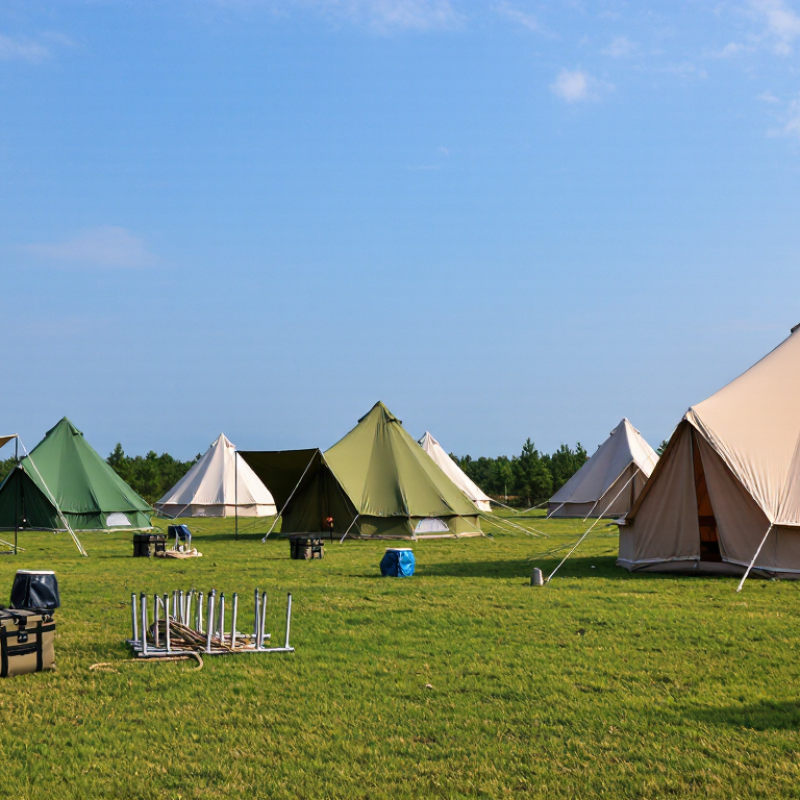
A tipi tent manufacturer in China is more than a company that can source canvas and poles. It should control key production steps, from pattern cutting and panel sewing to final inspection. Grand View Research estimated the global camping tent market at about US$3.1 billion in 2023, with projected growth through 2030. That demand makes production consistency important, not just a low quotation.
Look for evidence in the workshop. Ask how staff check seam alignment, reinforce pole sleeves, and seal rain-facing seams. Request material specifications, sample inspection records, and details of any water or wind testing. A capable manufacturer should explain test conditions and limits, rather than promise that every tent is “all-weather.” China-based suppliers may be factories, trading companies, or both; clarify who owns the equipment and supervises production. Paperwork helps, but it can still miss defects. A sample inspection matters. Check whether replacement parts, repair guidance, and production updates are available after ordering. One awkward detail: a polished showroom tells you little about how carefully a large batch is sewn. A factory audit or a small trial order can reveal more.
A practical, brand-neutral framework for assessing manufacturers. The ranking below lists ten evaluation dimensions—not named companies or a verified ranking of individual factories. Confirm product and compliance claims directly with each supplier.
| Rank | Evaluation Dimension | Evidence to Request | Why It Matters |
|---|---|---|---|
| 1 | Verified Manufacturing Capability | A current factory address, production-area photos or a live video tour, and a clear explanation of which production steps are performed in-house. | Helps distinguish a manufacturer from a trading or sourcing company and clarifies who controls production. |
| 2 | Tipi-Specific Product Experience | Technical drawings, specifications, and examples of completed tipi-style tents, including dimensions, pole arrangements, and included components. | Tipi designs have particular shape, support, and setup requirements that general tent experience alone may not demonstrate. |
| 3 | Material Specification and Traceability | Written fabric and component specifications, such as fiber composition, fabric weight, coating or finish, and supplier or batch documentation where available. | Clear specifications make it easier to compare products and check that delivered materials match the agreed order. |
| 4 | Weather-Performance Testing | Test reports or documented test methods for relevant properties, such as water resistance, seam performance, and fabric strength. Check the tested material, method, and date. | A performance claim is more useful when it is linked to a defined test and the material used in the product. |
| 5 | Construction and Component Quality | Details of seams, reinforcement points, poles, stakes, guy lines, zippers, and repair parts, supported by product samples or inspection records. | These components affect setup, durability, maintenance, and the tent’s ability to withstand expected use. |
| 6 | Safety and Compliance Documentation | Applicable certificates or test reports for the destination market and product configuration. Verify the issuing body, scope, model, and validity independently. | Requirements vary by market and intended use; documentation should match the actual product rather than a general company claim. |
| 7 | Customization and Engineering Support | Written confirmation of available size, fabric, color, door, ventilation, stove-jack, logo, and packaging options, plus drawings or approved samples for custom orders. | Confirms whether the supplier can translate specific requirements into a consistent, manufacturable specification. |
| 8 | Quality-Control Process | Inspection checkpoints, sampling or final-inspection records, defect-handling procedures, and an agreed acceptance standard for the order. | A documented process helps identify problems before shipment and sets expectations for resolving them. |
| 9 | Order Capacity and Lead-Time Planning | A written production schedule covering sample approval, material procurement, production, inspection, and packing, along with confirmation of the proposed order quantity. | Capacity and lead times should be assessed against the buyer’s actual quantity and delivery window, not assumed from general claims. |
| 10 | After-Sales and Spare-Parts Support | Written warranty terms, contact and response procedures, repair guidance, and availability of replacement components such as poles, lines, or fabric patches. | Support can reduce downtime and make repairs more practical over the tent’s service life. |