What Are Tipi Tents and Why Are They So Popular?
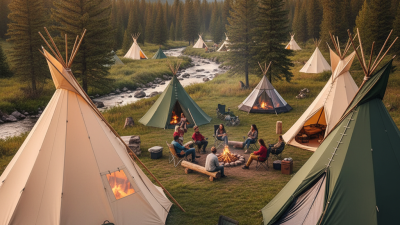
Tipi Tents have gained immense popularity in recent years. According to a 2022 market report from Grand View Research, the global tent market is projected to reach $5.6 billion by 2026, driven by trends in outdoor activities and glamping. These unique structures, inspired by Native American dwellings, offer an appealing blend of tradition and modern aesthetics. Their conical shape allows for efficient wind resistance and spacious interiors, making them ideal for a range of uses, from camping to event hosting.
Beyond their practical advantages, Tipi Tents evoke a sense of connection with nature. The materials used often emphasize sustainability, resonating with eco-conscious consumers. However, it's important to note that not all Tipi Tents are created equal. Variations in quality and design can impact the overall experience. As the industry grows, distinguishing between premium and budget options becomes crucial.
Moreover, while Tipi Tents are popular, they may not suit everyone’s preferences. Some might find their unique style unfamiliar or uncomfortable. Yet, for many, these tents represent a perfect escape from the everyday, blending rustic charm with modern luxury.
Definition and Characteristics of Tipi Tents
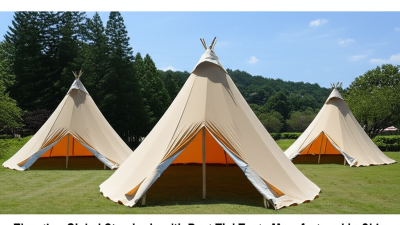
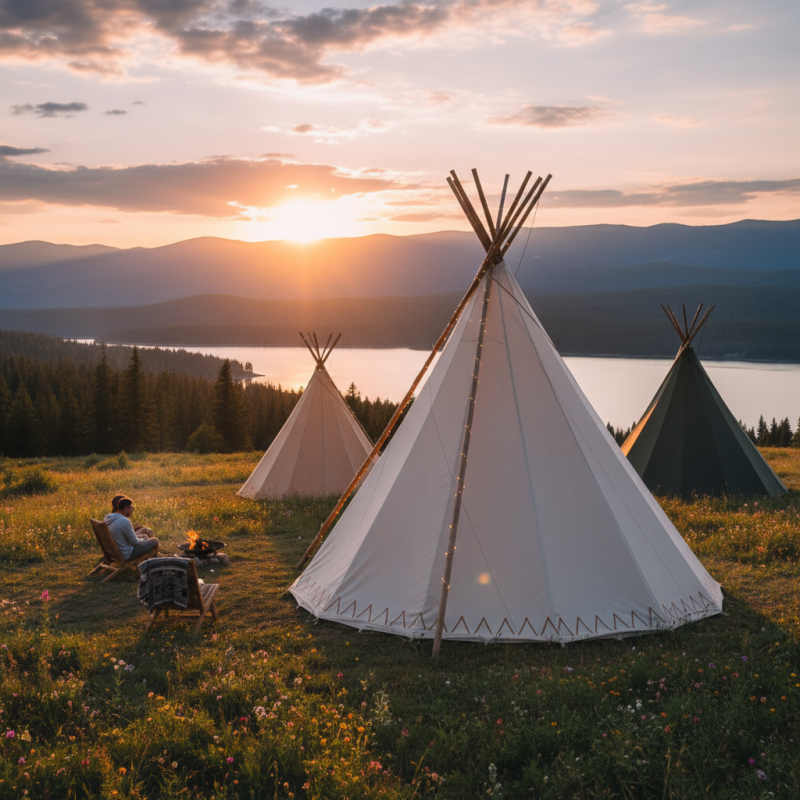
Tipi tents, traditionally used by Native American tribes, have gained popularity in modern camping and glamping. These conical structures are designed for both functionality and aesthetic appeal. Made from durable materials, they provide excellent insulation and ventilation. The central pole supports the tent and creates a spacious interior, allowing for better airflow. Commonly made from canvas or synthetic fabrics, tipis are designed to withstand harsh weather conditions.
Recent industry reports indicate that the glamping market is projected to grow by 14.3% annually through 2025. This growth reflects an increasing demand for unique outdoor experiences. Many campers are drawn to the natural materials and the connection to culture that these tents offer. They look for authenticity and comfort in camping solutions. However, the cultural significance of tipis should be respected, and potential users must consider the historical context.
While tipis offer a charming alternative to traditional tents, they also pose challenges. Set-up can be complicated and may require multiple people. Additionally, not all tipis are waterproof, so materials matter. Choosing the wrong fabric can lead to uncomfortable conditions. It's essential to balance the allure of these structures with practical considerations. The popularity of tipis reflects a desire for innovation in outdoor accommodation, but responsible use is vital.
Historical Background and Cultural Significance of Tipi Tents
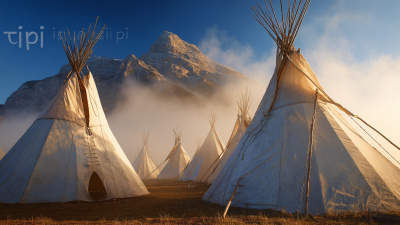
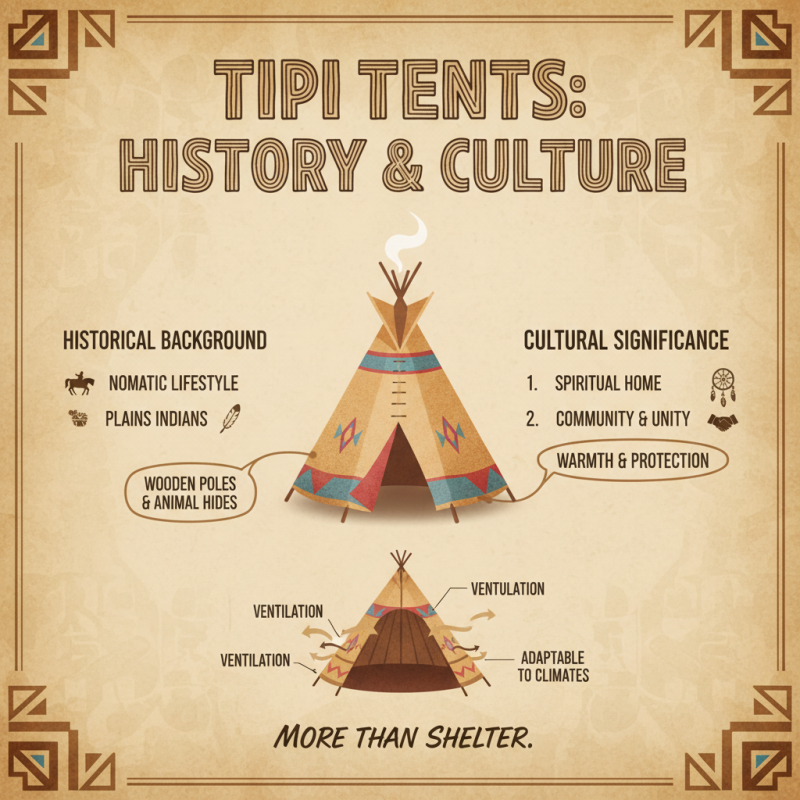
Tipi tents are more than just a unique shelter; they carry deep historical and cultural significance. Traditionally associated with Native American tribes, especially the Plains Indians, tipis served as a practical solution for their nomadic lifestyle. Crafted from wooden poles and animal hides, these tents provided warmth and protection from harsh weather. The conical shape of a tipi allows for effective ventilation, making it suitable for varying climates.
The cultural importance of tipis extends beyond their utility. They symbolize the connection between the people and nature. Each tipi represents a community’s way of life, beliefs, and practices. Understanding this context enhances appreciation for their design and function.
**Tip:** When considering camping in a tipi, research local customs. Respect for the cultural significance adds depth to your experience.
Modern interest in tipis has grown, blending tradition with contemporary needs. For some, they offer an alternative to conventional camping. However, not understanding the cultural impact can lead to misconceptions.
**Tip:** Before booking a stay, learn about the history of tipis. Awareness fosters respect and enriches your experience.
In summary, the adaptability of tipis in past and present contexts highlights their enduring appeal.
Reasons for the Growing Popularity of Tipi Tents in Modern Camping
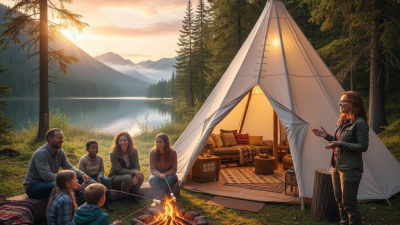
Tipi tents have become a popular choice for modern campers. Their unique design combines tradition and comfort. Originally used by Native American tribes, tipis offer spacious interiors and a cozy atmosphere, making them ideal for group camping. The conical shape allows for effective heat circulation, keeping the interior warm. This feature appeals to outdoor enthusiasts during cool nights in the wild.
The rise in popularity is also due to aesthetic appeal. Many campers are drawn to the rustic charm of tipis. They blend seamlessly with nature, enhancing the outdoor experience. Moreover, setting up a tipi is often easier than traditional tents. Some models come with pre-assembled frameworks, reducing the hassle of assembly. This convenience makes them attractive for families or novice campers.
Yet, not everything about tipis is perfect. Their size might pose challenges in windy conditions. Additionally, they may require more space compared to standard tents. Some campers report difficulty managing ventilation. Personal experiences vary, indicating that while tipis are appealing, they may not suit everyone. Still, their unique benefits contribute to the growing interest in alternative camping setups.
Versatility and Usage of Tipi Tents in Various Outdoor Activities
Tipi tents have become increasingly popular in various outdoor activities. Their unique conical shape allows for efficient wind resistance, making them stable in harsh weather conditions. According to the Outdoor Foundation, over 47 million Americans participated in camping in 2022 alone, highlighting the growing trend toward outdoor adventures.
These tents are versatile. They serve as cozy sleeping quarters, gathering spaces, or even event venues. Many outdoor enthusiasts appreciate their spacious interiors, which provide room for multiple users and camping gear. Research from the American Alpine Club indicates that 65% of campers prefer tents that are easy to set up and take down, making tipis an attractive option for quick getaways.
However, not all experiences with tipi tents are perfect. Campers occasionally struggle with the ventilation and heat retention during extreme weather. Some also find the lack of privacy in larger groups challenging. These factors highlight the importance of careful planning and consideration when choosing a shelter for outdoor adventures. Users should weigh these aspects against the benefits to find the best fit for their needs.
Popularity of Tipi Tents in Various Outdoor Activities
Comparative Analysis: Tipi Tents vs. Other Camping Structures
Tipi tents are gaining popularity for several reasons. They offer a unique blend of space and style. Their conical shape allows for better airflow, keeping the interior cool. In colder climates, they trap heat more effectively. This design is unlike traditional tents, which can feel cramped and stuffy.
When comparing tipi tents to other camping structures, several factors come into play. Conventional tents often lack the height and floor space of a tipi. Campers often feel restricted in standard dome tents. Tipis provide ample standing room, making them comfortable for socializing. However, one downside is the setup time. Tipis can require more effort to pitch than quick pop-up tents.
In terms of durability, tipis generally outperform regular tents. Made from sturdy materials, they are built to withstand harsh weather conditions. Yet, it’s important to acknowledge that maintenance can be more demanding. Regular cleaning and checks are needed to keep them in good condition. Ultimately, the choice often depends on personal preferences and camping experiences.
What Are Tipi Tents and Why Are They So Popular? - Comparative Analysis: Tipi Tents vs. Other Camping Structures
| Feature |
Tipi Tents |
Traditional Tents |
Cabins |
RVs |
| Ease of Setup |
Easy |
Moderate |
Difficult |
Very Easy |
| Weather Resistance |
Good |
Average |
Excellent |
Excellent |
| Space |
Ample |
Limited |
Large |
Very Large |
| Comfort |
High |
Moderate |
High |
Very High |
| Cost |
Moderate |
Low |
High |
Very High |