What is a Tent Canopy and How Does it Work?
A Tent Canopy serves as a versatile solution for outdoor events. This structure provides shelter from the sun, rain, and wind. Its popularity is rising, particularly in the event and festival industries. According to a recent report by IBISWorld, the tent rental industry has grown by 3.5% annually over the past five years. This indicates a strong market for tent canopies.
Expert John Stevenson, a leading authority in the tent industry, states, “The Tent Canopy is essential for any outdoor gathering, offering both functionality and style.” This highlights the importance of these canopies in creating enjoyable event experiences. However, not all tent canopies are created equal. Many users face challenges in choosing the right material and size for their specific needs.
Understanding the mechanics of a Tent Canopy can help avoid costly mistakes. For instance, poor installation can lead to damage during adverse weather conditions. Reflections on past experiences show that planning is critical. Striking the right balance between aesthetics and practicality in selecting a Tent Canopy can make all the difference.

Definition and Purpose of a Tent Canopy
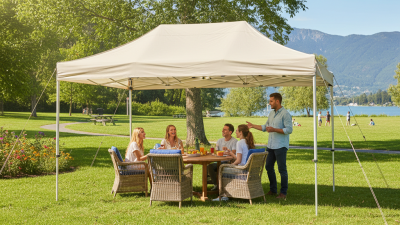
A tent canopy is an essential outdoor structure. It provides shade and protection from the elements. Typically made from durable fabric, it is supported by a framework of poles. The main purpose of a tent canopy is to create a sheltered area for events, gatherings, or relaxation.
When setting up a tent canopy, consider the location carefully. Choose a flat, dry surface. Avoid placing the canopy near low-hanging branches or above water. This can prevent unexpected issues. You might face leaks if it rains. Also, remember that stability matters. Wind can catch the fabric and uproot the canopy. Secure it firmly to the ground.
Tips: Always check the weather forecast before your event. It helps you prepare adequately. Use weights or stakes to anchor the structure. This ensures it remains steady throughout the day. Lastly, keep your canopy clean. Regular maintenance prolongs its life and keeps it looking good. It’s worth the effort.
Types of Tent Canopies and Their Uses
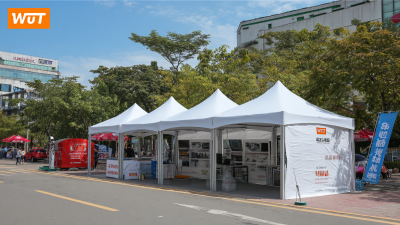
When it comes to tent canopies, various types serve distinct purposes. Frame canopies are popular for events. They consist of a metal frame covered with fabric. This type is ideal for weddings and outdoor gatherings. It provides solid support and versatility.
Pole canopies rely on poles placed around the perimeter. This design creates a stunning peak. They are often used for festivals or farmers' markets. The aesthetic appeal is significant, but they need careful installation. Wind can be a challenge, so securing them is crucial.
Tips: Always check weather conditions before setting up. Wind and rain can change plans quickly. Consider adding sidewalls for extra protection. Using weights helps stabilize the structure against sudden gusts. A well-anchored canopy enhances safety for all attendees.
Tent Canopy Types and Their Uses
Materials and Design Features of Tent Canopies
Tent canopies are essential for outdoor events, providing shelter and protection. The materials used greatly influence a canopy's performance. Many canopies are made from polyethylene or vinyl. These materials are durable and resistant to weather elements. According to industry reports, vinyl canopies can withstand winds up to 70 mph, making them suitable for various conditions.
Design features also play a crucial role. Canopies come in various shapes and sizes. Some have sidewalls for added protection against wind and rain. The frame is typically made of steel or aluminum, offering strength while remaining lightweight. Properties such as UV resistance and waterproof coatings enhance usability. However, not all canopies maintain these features over time. Users must regularly inspect for wear and tear to ensure reliability.
In addition, the setup process can be tricky. Even well-designed canopies can struggle if not pitched correctly. Misalignment or improper tension can lead to collapses. Statistics show that nearly 20% of canopy failures arise from incorrect assembly. This highlights the importance of understanding both design and setup for optimal performance.
What is a Tent Canopy and How Does it Work? - Materials and Design Features of Tent Canopies
| Feature |
Description |
Materials Used |
| Size |
Available in various sizes to accommodate different events and gatherings. |
Polyester, canvas, vinyl |
| Design |
Can include free-standing, tension, or dome shapes. |
Aluminum, steel, fiberglass poles |
| Weather Resistance |
Designed to withstand wind, rain, and UV rays. |
Waterproof fabrics, UV-treated materials |
| Setup |
Can be assembled quickly using a simple pole and sleeve or pop-up design. |
Interlocking poles, tension straps |
| Uses |
Commonly used for outdoor events such as weddings, markets, and parties. |
Various fabric options for aesthetic purposes |
Setting Up a Tent Canopy: Step-by-Step Guide
Setting up a tent canopy can be easier than it seems. Start by choosing a level area, free from debris or sharp objects. Gather all necessary components, like poles, connectors, and the canopy fabric. Lay out the components to ensure nothing is missing. It’s frustrating to discover pieces are lost when you're already eager to start.
Next, unfold the canopy and locate the corners. Attach the poles to the corners of the fabric. Ensure they are secure but avoid over-tightening, which can cause damage. Positioning the poles correctly is crucial. Many people struggle with this step. It’s easy to mix up which pole goes where. Double-check your work as you go.
Once the frame is up, secure the canopy to prevent flapping. This can be done with stakes or weights. If the weather is windy, anchoring is essential. Don’t forget to look around. Trees and buildings can create unexpected issues.
Taking a moment to assess the surroundings can save time later. Adjustments may be needed, so flexibility is key. Remember, practice makes perfect.
Maintenance and Care Tips for Tent Canopies
Tent canopies are essential for outdoor events. They provide shade and shelter, but they also require proper maintenance. Taking care of your tent canopy can extend its life significantly. Here are some helpful tips.
Always clean your canopy after use. Dirt and grime can weaken the fabric. A soft brush or sponge works well. Be cautious with harsh chemicals. They might damage the material. Store the canopy properly to avoid mold growth. Ensure it is dry before folding it up.
Inspect your tent regularly. Look for tears or loose seams. Small issues can become big problems if ignored. If you notice any damage, repair it as soon as possible. Use a repair kit designed for your canopy material. This can save you time and money.
Avoid placing heavy objects on your tent. This can cause stress on the fabric. Also, be mindful of windy conditions. A strong gust can damage your setup, so take it down if conditions worsen. Regular check-ins ensure your canopy remains in good shape, ready for the next event.