Why Choose the Best Sleeping Bags for Outdoor Adventures?
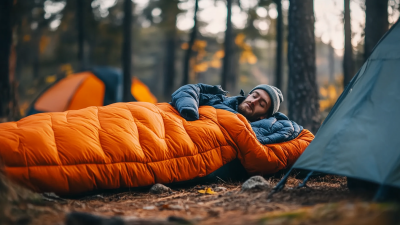
When planning outdoor adventures, one crucial aspect is choosing the right gear. Among various equipment, sleeping bags play a vital role. The best sleeping bags provide comfort and warmth during chilly nights in the wild. They create a cozy retreat from the elements, essential for a successful trip.
Top sleeping bags vary in design and materials. Some cater to lightweight hikers, while others focus on durability. Quality matters, as poor choices lead to sleepless nights. Imagine shivering in a bag that fails to insulate properly. That experience could ruin any expedition, turning excitement into despair.
It's easy to overlook the importance of selecting the right sleeping bag. Many adventurers might choose based on price alone, neglecting comfort and insulation. Reflecting on past experiences can highlight this mistake. Investing in a high-quality sleeping bag ensures restful nights and enjoyable adventures. Ultimately, the right choice could make all the difference in how you experience the great outdoors.
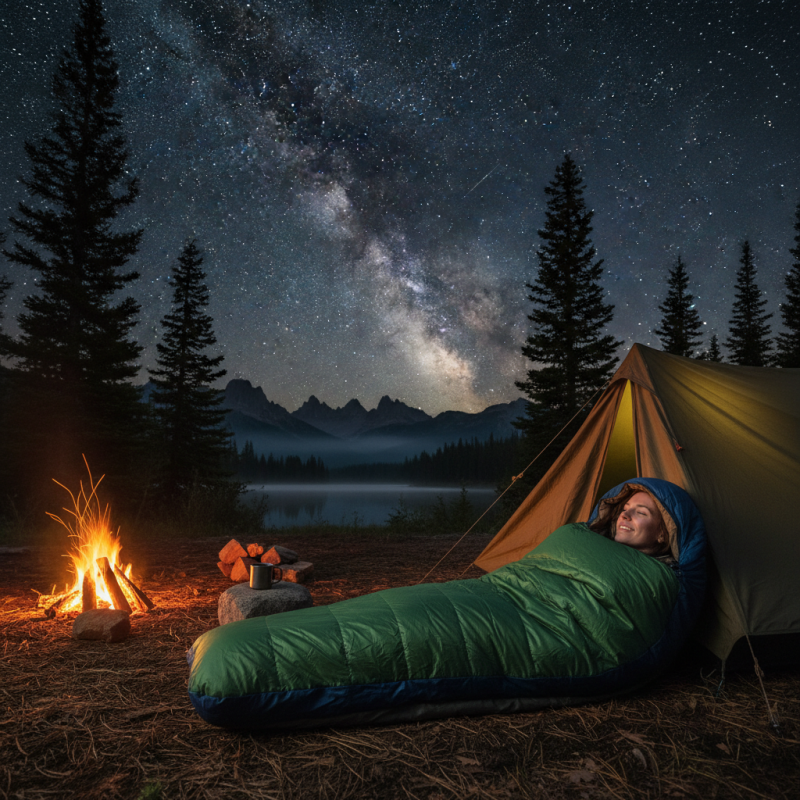
Understanding the Importance of Quality Sleeping Bags for Outdoor Activities
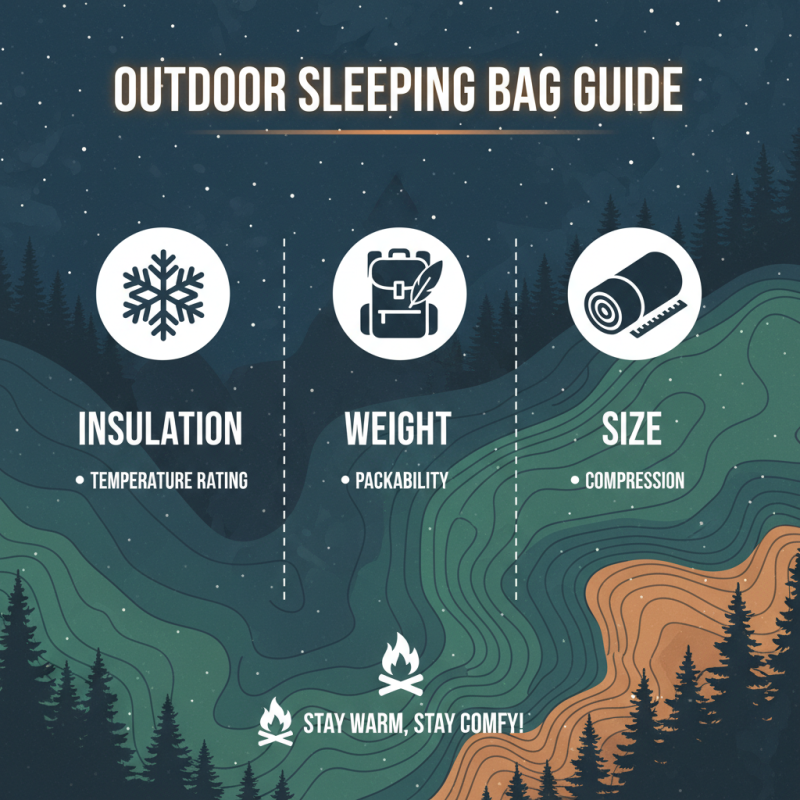
When embarking on outdoor adventures, the choice of sleeping bag is crucial. A quality sleeping bag directly influences comfort and warmth during the night. If you’re camping in colder climates, an inadequate bag can result in a miserable experience. You need to consider insulation, weight, and size. A heavier bag may seem cozy, but it adds unnecessary weight to your pack.
Tips: Always check the temperature rating. A sleeping bag rated lower than your expected night temperature can be a rude awakening. Additionally, try to experience it in varying conditions before your trip.
You might think that saving money on a cheaper bag is wise. However, this decision can backfire when you wake up chilled. Your sleep is vital for energy the next day. The wrong sleeping bag can rob you of quality sleep. In contrast, a well-constructed bag hugs your body. It traps warmth and provides a sense of security.
Tips: Look for features like draft collars and hoods. These add extra warmth and keep you snug. Consider the materials too; synthetic fills can work well in damp conditions. The right sleeping bag transforms your outdoor experience, making it enjoyable rather than a chore.
Key Features to Look for in the Best Sleeping Bags
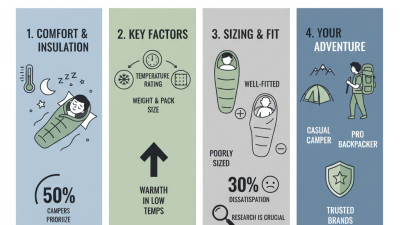
When selecting a sleeping bag for outdoor adventures, certain features are paramount. First, insulation type is crucial. Synthetic insulation performs well in damp conditions. Down insulation offers exceptional warmth but can lose efficiency when wet. Consider your typical weather conditions.
Weight matters too. A lightweight sleeping bag is easier to carry, especially on long hikes. However, don't sacrifice warmth for weight. A balance is key. Examine the temperature ratings carefully. These ratings indicate comfort levels. A sleeping bag may feel cozy at a certain temperature but could cause discomfort below it.
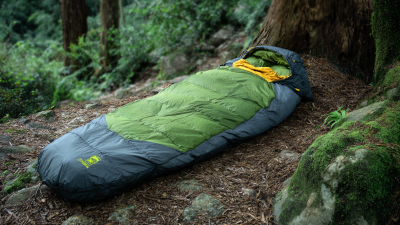
Another aspect to consider is the size and shape. Mummy bags provide better heat retention. Rectangular bags offer more room but can be less insulating. Think about your sleeping position. A snug fit can retain heat but might feel constricting. Take time to weigh these differences. The right sleeping bag can transform your camping experience. Each feature plays a pivotal role in outdoor comfort.
Why Choose the Best Sleeping Bags for Outdoor Adventures? - Key Features to Look for in the Best Sleeping Bags
| Feature |
Description |
Importance |
| Insulation Type |
Choose between down and synthetic insulation for warmth and weight. |
Affects warmth retention and packability. |
| Temperature Rating |
Indicates the lowest temperature at which the bag will keep you warm. |
Critical for ensuring comfort in varying climates. |
| Shape |
Available in rectangular, mummy, and semi-rectangular shapes. |
Impacts comfort and thermal efficiency. |
| Weight |
Total weight of the sleeping bag for easy transport. |
Important for backpackers and long treks. |
| Pack Size |
The volume of the packed sleeping bag for storage in a backpack. |
Crucial for limited space during adventures. |
| Material |
Outer fabric material affects durability and water resistance. |
Key for protection against elements. |
| Additional Features |
Includes hoods, draft collars, and zippers for enhanced comfort. |
Enhances overall user experience. |
Types of Sleeping Bags Suitable for Different Environments
When it comes to outdoor adventures, selecting the right sleeping bag is crucial. Different environments require specific types of sleeping bags. For colder climates, a mummy sleeping bag is ideal due to its snug fit, which conserves body heat. Reports indicate that temperatures can drop significantly at night, sometimes below freezing. A mummy bag typically provides adequate insulation and is rated for 20°F to 0°F.
In contrast, when venturing into milder environments, a rectangular sleeping bag might be more suitable. These bags offer more room to move and are perfect for summer camping. Surprisingly, many campers overlook the importance of temperature ratings. Not all bags perform the same under various conditions. In fact, 30% of campers have reported feeling cold due to improper gear selection.
Ultralight sleeping bags are also gaining popularity. They are compact and easy to carry, making them great for backpackers. However, the trade-off is often less insulation. While they can weigh as little as 1 lb, they may not provide warmth in subzero conditions. It’s vital to assess personal needs and environmental factors before making a purchase. The wrong choice can impact the entire experience.
Types of Sleeping Bags Suitable for Different Environments
How Temperature Ratings Affect Your Sleeping Bag Choice
Choosing the right sleeping bag can make or break your outdoor adventure. The temperature rating of a sleeping bag is crucial. It tells you how well your bag can insulate you from the cold. A bag rated for 30°F may not keep you warm at 20°F. This can lead to sleepless nights.
According to a study by the Outdoor Industry Association, 70% of campers believe temperature ratings are the most important feature. However, many overlook personal comfort factors. For example, your sleeping pad’s insulation quality can influence the overall warmth. A thick pad keeps cold air from seeping in. Yet, not all campers consider this. The mismatch in expectations and reality can lead to discomfort.
Additionally, some bags are rated based on standard lab tests. These ratings might not reflect real-world conditions. Factors like humidity, wind, and body heat drastically change how a bag performs. For instance, a damp environment can drop the effective temperature of your bag. It's vital to account for these variables when selecting your gear. Errors in judgment can lead to cold nights on the trail. Always remember to test your gear before your trip.
Care and Maintenance Tips for Prolonging Sleeping Bag Life
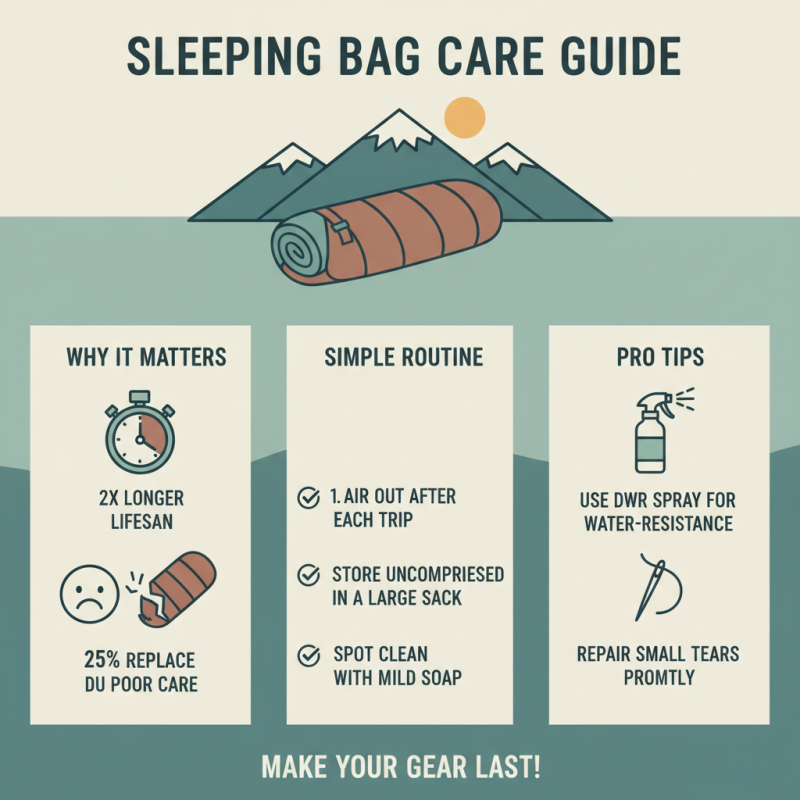
Taking care of your sleeping bag is essential for outdoor enthusiasts. A well-maintained sleeping bag can last twice as long as one that isn’t cared for properly. According to industry reports, 25% of users replace their sleeping bags due to poor maintenance. Simple care routines can significantly extend the lifespan of your gear.
Always store your sleeping bag loosely. Compressing it for long periods damages the insulation. A cotton storage sack or a large breathable container works well. Regular cleaning is also vital. Use a gentle detergent and follow washing instructions carefully. Annual maintenance, such as inspecting for tears, can prevent bigger issues. Even small rips should be patched immediately.
Improper drying after washing can lead to mold. Avoid high heat settings; instead, tumble dry on low with clean tennis balls. This fluffs the insulation while ensuring moisture is removed. Experts suggest that maintaining your sleeping gear can improve its performance by up to 30%. Keeping track of care routines may seem tedious, but it makes a significant difference over time.