How to Choose the Best Canvas Tent?
Choosing a canvas tent is less about buying the largest shelter and more about matching fabric, construction, and weight to real trips. A family campsite has different demands from a windy ridge or a long stay in one place. The right Canvas A Tent should feel dependable when rain taps the roof, doors open smoothly, and the packed load still suits your vehicle or route.
Outdoor Industry Association’s 2024 Outdoor Participation Trends Report estimated that 175.8 million Americans took part in outdoor recreation in 2023. That figure describes broad participation, not canvas-tent sales. It does, however, show why practical shelter advice matters to many campers. We’ll compare canvas types, stitching, poles, ventilation, setup, care, and total packed weight. Small details count. A heavy-duty floor can add years of use, while poor airflow may leave condensation on the inner walls by morning.
Good buying advice should be traceable. I could not verify a named Canvas A Tent industry expert’s published quotation from the materials provided, so I won’t invent one. This guide instead focuses on checkable product specifications and established outdoor-industry research. Some choices still involve trade-offs; no fabric or design is best for every trip. Expect to weigh durability against weight, comfort against cost, and weather protection against maintenance before choosing your tent.
Identify Your Camping Needs and Intended Use
Choose a canvas tent around the trips you actually take, not the trips you imagine. For weekend car camping, a roomy model may earn its extra weight. For hiking, packed weight and manageable setup matter more than standing room. Count the people, sleeping bags, and gear that need to fit inside. Then compare floor dimensions with the space you want for moving around. A “four-person” label can feel tight once boots and bags come inside.
Think about your usual weather and campsite, too. Canvas can feel more comfortable in changing temperatures, but it is heavier than many synthetic fabrics and needs thorough drying before storage. Check the tent’s care instructions, seam construction, ventilation, and stated weather limits. If rain is common, look for practical details such as protected openings and a suitable groundsheet. No checklist catches every bad site. I would also consider who will pitch it: a large tent can be awkward for one person, even when its setup looks simple in photos. Be honest about that. Match capacity, weight, and upkeep to your real routine, then verify the dimensions and packed weight before buying.
Compare Canvas Types, Weaves, and Treatments
How to Choose the Best Canvas Tent?
Canvas tents vary in fiber, weave, and treatment, and each choice changes how they perform outdoors. Cotton canvas breathes well and can feel comfortable during warm days, but it is heavy and must dry fully before storage. Polycotton blends often weigh less and dry faster, though they may feel warmer in still air. Neither is automatically better; match the fabric to your climate and how often you camp.
Look closely at the weave. A dense, even weave helps resist wind and light rain, while reinforced or ripstop sections can limit small tears from spreading. Treatments matter, too. Water-repellent finishes help rain bead on the surface, but they do not make every seam waterproof. Mildew-resistant treatments can help in damp conditions, yet ventilation and careful drying still matter. Fire-retardant finishes may be available, but always follow the tent’s safety instructions. Fabric details can be easy to overlook.
Tips: Check the fabric weight, seam construction, and care label before buying. Ask whether a treatment needs refreshing after repeated use. Feel a sample if possible; coatings can make canvas stiff or less breathable. I have sometimes focused too much on rain protection and forgotten the hassle of drying a large tent. That trade-off deserves a second look.
Choose a Tent Size and Layout for Your Group
Count people first. A tent’s advertised capacity usually assumes close sleeping and little luggage. For a group of four, a six-person model often feels more practical, especially when boots, packs, and damp jackets need space. If everyone sleeps on wide pads, measure their combined width before choosing a floor plan.
Think about how the group will use the tent, not just where bodies fit. Separate sleeping and living zones can make early mornings calmer; a central open layout may suit friends sharing meals inside during rain. Check door placement, standing height, and room for a cooking area outside the tent. Keep exits clear.
Canvas is heavy, so a larger model can be harder to carry and dry after a wet trip. Check packed weight, floor dimensions, and stated occupancy before buying. A sketch at home can reveal awkward gaps. Lay out sleeping pads and bags, then mark doors and storage with tape. This isn’t a perfect test, but it can expose cramped corners. Leave a little spare room; groups rarely pack as neatly as the plan.
Evaluate Weather Protection, Ventilation, and Durability
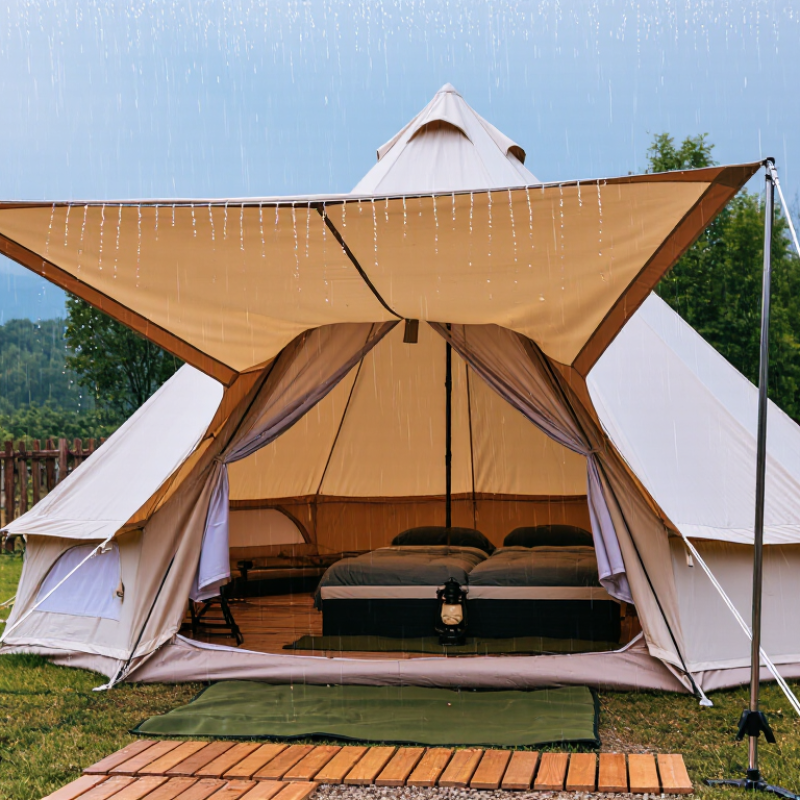
Choosing the best canvas tent means looking beyond fabric thickness. Check how the tent handles steady rain, gusts, and damp ground. Canvas can swell as its fibers absorb moisture, but seams, zippers, and floor edges still need careful construction. Look for reinforced stress points and a rain-shedding roof shape. A deep awning can keep water away from the entrance. Small details matter.
Ventilation helps manage condensation, especially when several people sleep inside. Look for high vents that release warm, moist air and windows that allow cross-breezes. Mesh panels are useful, but check whether they can be closed during wind-driven rain. On a cool morning, opening two opposite windows can make a noticeable difference. It is not always enough.
Durability depends on more than heavy canvas. Examine the stitching, pole joints, guy-line points, and groundsheet for wear-prone areas. A sturdy frame should feel stable without being awkward to handle. Also consider how you will dry and store the tent; packing damp canvas can lead to mildew. I would not judge a tent by one sunny showroom inspection. Setup time, packed weight, and repairs matter too, and one of these may be a compromise you only notice outdoors.
Compare Setup, Maintenance, and Total Cost
A canvas tent can feel spacious and steady, but its setup may take more effort than a lightweight shelter. Check the pole layout and practice pitching it before a trip. A wide tent may need two people, especially when the fabric is damp or the ground is uneven. Count the stakes, poles, and guy lines. Missing one in a windy campsite is no small problem.
Maintenance affects how long the tent stays comfortable. Brush off grit, and let the canvas dry fully before packing it away. Even a slightly damp fold can invite mildew during storage. Follow the maker’s care instructions for cleaning and water resistance; harsh detergents can damage treatments. That takes time. It is easy to underestimate.
Compare total cost, not just the price on the tag. Add a groundsheet, replacement stakes, seam repairs, and suitable storage space. Then consider how often you will use the tent. A higher initial cost may make sense for frequent trips, but not for occasional weekends. Cost per trip is a useful check, though it cannot predict every repair or weather-related issue. Be honest about that. A tent that is awkward to pitch may stay in the garage, no matter how durable it looks.