How to Choose the Best Roof Top Tent for Your Adventures?
Choosing the right Roof Top Tent can significantly enhance your outdoor experiences. According to a recent survey by the Outdoor Industry Association, over 60% of campers prefer roof top tents for their convenience and comfort. These tents elevate you off the ground, providing protection from environmental elements and wildlife.
When selecting a roof top tent, consider weight, size, and durability. Weighing your options is critical. The average weight of a roof top tent ranges from 100 to 200 pounds, impacting your vehicle's fuel efficiency. It’s also vital to understand the specific needs of your adventures. How many people will sleep in the tent? Will you camp in different climates? Research suggests that 30% of campers regret their tent choice due to size or weather inadequacies.
Test different models if possible. Quality matters. While some brands boast premium materials, they may not always meet your specific needs. Not every tent is ideal for every adventurer. Reflect on your past experiences to guide your choice. Prioritize features that align with your camping style and environment. Ultimately, investing time in selecting the perfect roof top tent can lead to more enjoyable and memorable outdoor adventures.
Understanding Roof Top Tents: Features and Benefits
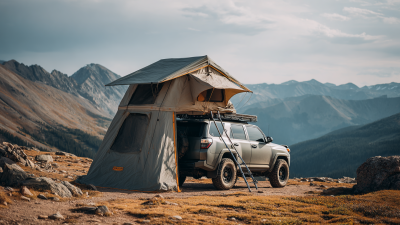
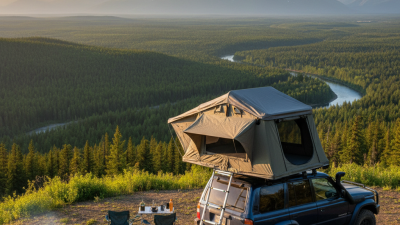
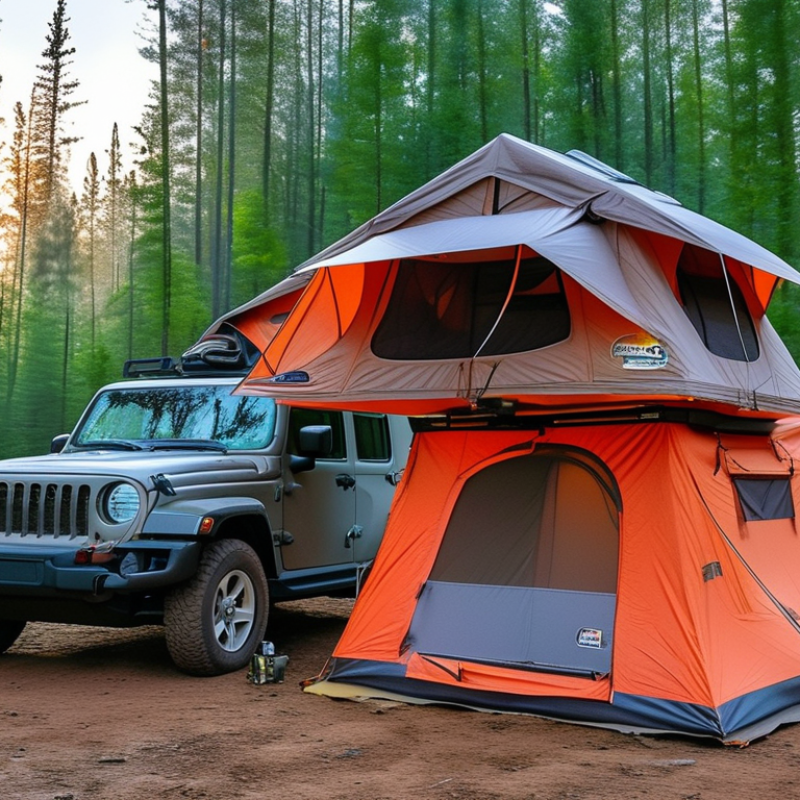
Roof top tents are a popular choice for adventurers seeking convenience and comfort. These elevated sleeping options provide a unique way to camp, often far from crowded grounds. They can be set up on various vehicles, making them versatile for any road trip. The elevated design keeps you off the ground, away from insects and moisture. This is a significant benefit for those who value cleanliness and comfort while camping.
When selecting a roof top tent, consider key features. Look for a durable fabric that can withstand harsh weather. Quality materials make a tent reliable and long-lasting. Easy setup is another essential factor. Some tents can be pitched in minutes, allowing for more time to enjoy your surroundings. Weight is also an important consideration. Heavier tents may require a more robust vehicle and can affect gas mileage.
Not all roof top tents are created equal. Price can vary significantly, impacting features and quality. Investing in a higher-end model might offer better waterproofing or sturdier construction. However, even budget options can serve their purpose well with the right care. Researching consumer reviews can provide additional insights. Each camping experience can help refine preferences, ensuring future purchases align with your specific needs.
Assessing Your Adventuring Needs for Tent Selection
Choosing the right roof top tent involves understanding your unique adventuring needs. Think about where you plan to camp. Will you tackle rocky terrains or sandy beaches? The setting impacts tent design. Some tents are great for quick setups, while others suit extended stays.
Consider your group size. A two-person tent is compact, but may not provide enough room for gear. A larger tent might offer extra comfort but can be bulkier. Evaluate how you pack your gear. Will it fit comfortably on your vehicle? Don't forget to check the weight. A heavy tent can complicate transport.
Also reflect on your experience level. Are you a seasoned climber or a weekend warrior? Novices may want simpler designs. More experienced adventurers might prefer advanced features. It’s worthwhile to research user reviews. They can reveal potential issues you might face. Balancing these factors requires thought. Embrace the imperfections of your choice and learn from each experience.
Key Factors to Consider in Roof Top Tent Design
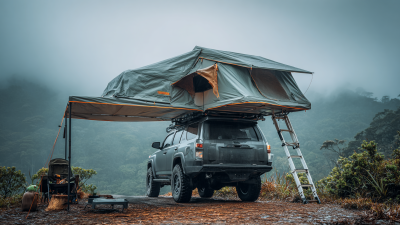
When selecting a roof top tent, several design factors are essential. Consider the tent's material. Durable fabrics resist wear from elements. They should offer waterproof features for unexpected rain. Look at the tent’s construction. Reinforced seams enhance its sturdiness. A well-constructed tent can withstand wind resistance effectively.
Weight matters too. The right tent shouldn't affect your vehicle's handling. A lighter option is easier to set up and relocate. Check the size. It should comfortably fit you and your gear. Think about the height. A taller tent allows more headroom but may be harder to climb up to.
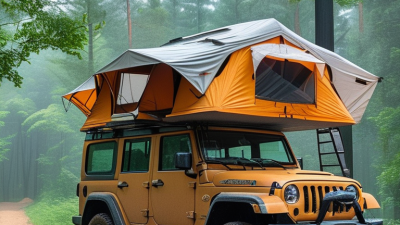
Ventilation is vital for comfort. Ensure there are mesh windows for airflow. This feature keeps condensation at bay. Some tents include a rainfly for extra protection. Assess the ease of setup. A complicated design may lead to frustration. Consider practicing before your adventure begins. You might find you prefer a more straightforward model.
Roof Top Tent Features Comparison
Comparing Roof Top Tent Materials and Durability
When choosing a roof top tent, material and durability are crucial. The tent's fabric influences its weight, insulation, and resistance to weather. Common materials include polyester and cotton. Polyester is lighter and dries quickly but may lack breathability. Cotton, on the other hand, is heavier but offers higher durability and insulation. A report from the Outdoor Industry Association notes that high-quality cotton tents can last up to 20 years with proper care, while polyester options typically last around 5 to 10 years.
Durability is also affected by the tent's stitching and frame. Reinforced seams significantly impact resilience. Manufacturers use different stitching techniques; flat felled seams are strong but may require maintenance over time. The frame materials, often aluminum or steel, determine the overall sturdiness. Steel frames provide maximum durability, but they add weight, which can be a drawback for mobile adventurers. The Consumer Product Safety Commission indicates that poor frame stability is a leading cause of tent failure.
In your search for the best rooftop tent, consider the weight-to-durability ratio. Each material carries trade-offs. A heavier, more durable tent may withstand rough conditions better than a lightweight model. Yet, portability often dictates your adventure's spontaneity. Evaluating these factors can help you choose a tent that suits both your adventures and resilience needs.
Budgeting for Your Roof Top Tent Purchase and Accessories
When budgeting for a roof top tent, start with the basics: your needs and preferences. Consider how often you plan to use it. If it’s just for occasional weekends, a mid-range option might suffice. However, frequent adventurers may want to invest in a higher-quality model. Evaluate your camping style. Do you prefer a more minimalist approach, or do you need extra accessories for comfort?
Accessories can add up quickly. Include essential items like a suitable sleeping bag and mattress. Additionally, think about a ladder or an awning for shade. Some might overlook these extras, but they enhance comfort significantly. Calculate these costs when setting your budget. It’s tempting to overspend on features but reflect on what you truly need.
Another aspect is whether to buy new or used. A used tent can be a budget-friendly option, but check its condition carefully. Look for wear and tear, and ask the seller questions. Budgeting requires honesty about your must-haves and nice-to-haves. Remember that investing wisely can enhance your outdoor experience without breaking the bank.