How to Choose the Best Trekking Bag for Your Adventure?
Choosing the right trekking bag is crucial for any adventurer. Renowned outdoor expert Mark Taylor once said, "The right trekking bag can make or break your journey." This insight highlights the importance of selecting a bag that suits your needs.
When faced with numerous options, many people feel overwhelmed. A well-designed trekking bag should fit properly and be comfortable. Look for features like adjustable straps and ample storage. Consider your adventure type—are you hiking for a day or planning a month-long trek?
However, even the best trekking bags can have drawbacks. Some may lack durability or be too heavy. Evaluate various models and ask for user feedback. Often, the perfect trekking bag for one person may not work for another. It’s essential to reflect on your personal requirements and preferences.
Understanding Different Types of Trekking Bags and Their Features
When choosing a trekking bag, understanding the types available is essential. Backpack styles vary widely. Daypacks are perfect for short hikes. They are small but can hold essentials like water, snacks, and a first-aid kit. Larger bags are intended for multi-day treks. These often feature adjustable straps and extra compartments.
One common mistake is overloading your bag. It can lead to discomfort. Always check the weight distribution. A well-fitted bag should sit snugly against your back. Look for features like padded hip belts and ventilation to enhance comfort during long walks.
Consider waterproof materials if you trek in variable weather. A rain cover is a helpful addition. Some bags even come with hydration systems built-in. This can be beneficial for maintaining hydration on long trails. Remember, not all bags are created equal. Test them out in stores, and walk around. You might find something feels different once you have it on for a while.
Comparison of Different Types of Trekking Bags
Evaluating Size and Capacity Based on Your Adventure Needs
Choosing the right trekking bag is crucial for your outdoor adventures.
Size and capacity greatly influence your comfort and efficiency on the trail.
A bag too small may leave you scrambling for space. Conversely, an overly large bag can lead to unnecessary weight and strain.
Evaluate the duration of your trek. A day hike might only require a light pack.
Aim for a capacity of 20 to 30 liters. For weekend trips, a 40 to 60-liter bag is typically ideal.
This size can accommodate essential gear like sleeping bags and cooking equipment.
Take a moment to visualize packing your essentials.
Consider the seasons and terrain you'll encounter. If you're trekking in colder weather, you may need extra layers.
Reflect on whether you have packed wisely.
Sometimes we end up carrying items we don’t use.
Make a list of essentials before you start. Efficiency is key to enjoying your hike.
Key Materials and Durability Considerations in Trekking Bags
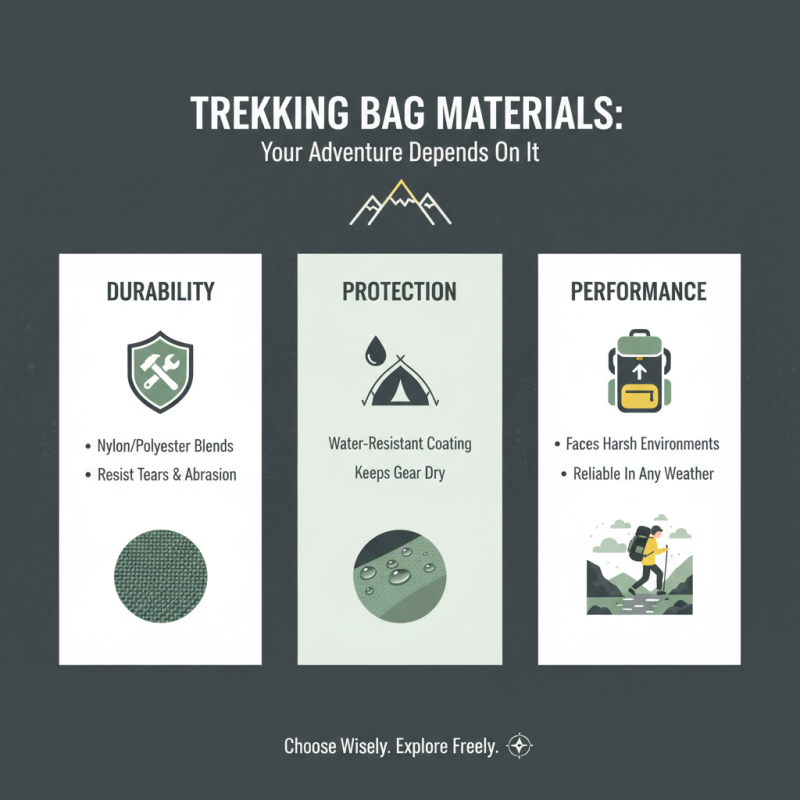
When selecting a trekking bag, materials matter significantly. High-quality fabric enhances durability. Look for nylon or polyester blends. They resist tears and abrasions well. Water-resistant coatings are also essential. They keep your gear dry in wet conditions. A good trekking bag can face harsh environments. But not all bags offer the same protection.
Consider the stitching and zippers, too. Strong seams contribute to longevity. Zippers should be robust and smooth. Weak hardware can lead to frustration during your adventure. Think about your trekking style as well. If you're often in rugged terrain, opt for reinforcements in critical areas. Additional features, like reinforced corners, can help extend the life of your bag.
Many trekkers overlook weight as a factor. A lighter bag means less strain. However, lighter materials might sacrifice durability. It's a balancing act. Test your bag under load before deciding. Carry it fully packed. Feel how it handles on your back. Each trek will teach you more about your choice. Sometimes, flaws reveal themselves only after a few trips. Be prepared for adjustments along the way.
Selecting Comfort and Fit: Straps, Back Support, and Ergonomics
When choosing a trekking bag, comfort and fit are crucial. Straps play a significant role in how the bag sits on your body. Look for padded shoulder straps that distribute weight evenly. Adjustability is key. Ensure they can be tightened or loosened easily. This helps maintain a secure fit, especially on long hikes.
Back support should not be overlooked. A trekking bag with a ventilated back panel can help reduce sweating. If possible, choose one with an adjustable back length to match your torso. This can make a big difference when carrying heavy loads. It can feel uncomfortable otherwise.
**Tips:** Always try the bag on before a trek. Walk around with it loaded. Pay attention to pressure points. Do the straps dig into your shoulders? Is the back pressing uncomfortably? These details matter. Remember, the right fit can save you from aches and pains on your adventure.
How to Choose the Best Trekking Bag for Your Adventure?
| Feature |
Importance |
Recommended Option |
Notes |
| Weight Distribution |
Essential for comfort during long treks |
Internal frame packs |
Helps to stabilize load |
| Strap Padding |
Enhances comfort on shoulders |
Thick, breathable padding |
Reduces chafing and pressure points |
| Back Support |
Critical for posture and comfort |
Padded and contoured back panel |
Promotes airflow and keeps back cool |
| Hydration System Compatibility |
Convenience for hydration on the go |
Hydration reservoir or sleeve |
Easily accessible drinking tube |
| Ergonomics |
Increases comfort and reduces fatigue |
Well-designed anatomical fit |
Conforms to body shape during movement |
Additional Features: Pockets, Hydration Systems, and Accessibility
When choosing a trekking bag, additional features can make a significant difference. Pockets are essential for organization. A bag with multiple compartments allows easy access to gear. Small pockets can hold essentials like snacks or maps. Larger pockets can store overnight gear. Make sure these pockets are easy to reach while hiking. You don’t want to slow down your pace.
Hydration systems are another crucial aspect. A built-in reservoir can keep water easily accessible. This feature encourages regular hydration during long treks. However, not all hydration systems are easy to clean. Some users struggle with maintenance. Consider how you will manage this to avoid unpleasant surprises.
Accessibility of items is key. A bag that opens wide allows for quick packing and unpacking. Think about how often you will need to access your gear. Small inconveniences can turn into frustrations over time.