China Best Ultra Lightweight Sleeping Bag for Global Buyers?
Choosing the China Best Ultra Lightweight Sleeping Bag for Global Buyers? This question deserves more than a factory price comparison. Outdoor consumers increasingly demand lower pack weight, reliable warmth, and responsible production. The Outdoor Industry Association’s 2024 Outdoor Participation Trends Report recorded 175.8 million American participants in outdoor recreation during 2023. That figure signals a large, varied market, from weekend hikers to long-distance trekkers.
An Ultra Lightweight Sleeping Bag can reduce pack strain, especially when every gram matters on a multi-day route. However, low weight must not hide weak insulation, fragile stitching, or misleading temperature claims. ISO 23537 provides recognized laboratory methods for testing sleeping-bag thermal performance. Buyers should examine test conditions, fill composition, shell fabric, zipper design, and moisture resistance. Numbers matter. So does real use.
China remains a major sourcing base for outdoor equipment, offering broad access to down, synthetic insulation, nylon fabrics, and automated production. Yet “best” depends on climate, user size, transport conditions, and target price. A summer bag for humid Southeast Asia cannot serve the same purpose as a cold-weather model for alpine travel. This guide compares practical specifications, supplier capability, testing evidence, and export experience. Reports from Grand View Research also indicate continued expansion in the global sleeping-bag market, but market growth alone proves nothing about quality. That is an uncomfortable truth. A polished catalog may still leave questions unanswered. Global buyers should request independent test records, material traceability, sample inspections, and clear after-sales terms before placing large orders. The smallest detail can decide comfort at 2 a.m.
What Makes an Ultra Lightweight Sleeping Bag the Best Choice?
An ultra lightweight sleeping bag is often the best choice for hikers who count every gram. For global buyers, low weight should never replace warmth, durability, or trustworthy testing. When sourcing from China, examine the insulation, fabric, stitching, and factory quality records. Field experience shows that a compact bag can reduce pack strain during long mountain approaches. Weight alone misleads.
Look for thermal ratings tested under EN ISO 23537 conditions, where available. These figures help compare comfort and limit temperatures more fairly. Ask for test reports, filling weight, loft measurements, and detailed material specifications. A reliable manufacturer should explain production checks without vague promises. I prefer high-quality zippers, reinforced seams, and a shaped hood that blocks cold air. Small details matter at 3 a.m.
Moisture control also matters. In humid forests, damp insulation can lose warmth quickly, even inside a strong shell. A water-resistant outer fabric and careful ventilation improve real-world performance. I still make mistakes. I once chose a lighter bag with a narrow footbox, then slept poorly because my feet felt cramped. That experience changed my buying checklist. For international orders, confirm packed dimensions, care instructions, repair support, and clear temperature guidance before payment. A few extra grams may provide better sleep and longer service life.
China Best Ultra Lightweight Sleeping Bag for Global Buyers? - What Makes an Ultra Lightweight Sleeping Bag the Best Choice?
Neutral benchmark specifications for comparing ultra-lightweight sleeping bag options by climate, usage, and transport requirements.
| Benchmark Profile |
Recommended Climate / Use |
Insulation Type |
Comfort Temperature |
Lower Limit |
Total Weight |
Insulation Weight |
Compressed Volume |
Shell Fabric |
Key Selection Advantage |
| Summer Backpacking |
Warm-weather hiking, camping, and indoor-to-outdoor travel |
Lightweight 700–800 fill-power down or premium synthetic insulation |
+10°C / 50°F |
+5°C / 41°F |
550–750 g |
250–350 g |
3–5 L |
10–20D nylon or recycled polyester with durable water-repellent finish |
Minimum pack weight |
| Three-Season Trekking |
Spring, summer, and autumn trips in temperate regions |
700–850 fill-power down or high-loft synthetic insulation |
+5°C / 41°F |
0°C / 32°F |
750–1,050 g |
400–600 g |
5–8 L |
10–20D nylon with reinforced footbox and hood area |
Best weight-to-warmth balance |
| Cool-Climate Ultralight |
High-altitude camps, cool nights, and extended shoulder-season travel |
750–900 fill-power down with a close-fitting mummy shape |
0°C / 32°F |
−5°C / 23°F |
900–1,250 g |
550–750 g |
6–10 L |
10–20D nylon with insulated draft collar and adjustable hood |
Greater thermal protection |
| Humid-Climate Synthetic |
Rain-prone regions, coastal camping, and users who need easier moisture management |
Continuous-filament or advanced staple synthetic insulation |
+5°C / 41°F |
0°C / 32°F |
950–1,350 g |
500–800 g |
8–12 L |
20–30D nylon or polyester with water-resistant construction |
Reliable in damp conditions |
| Travel and Bikepacking |
Air travel, bicycle touring, hostels, and compact luggage systems |
700–850 fill-power down or lightweight hybrid insulation |
+8°C / 46°F |
+3°C / 37°F |
600–850 g |
300–450 g |
4–6 L |
10–20D nylon with compression-compatible storage sack |
Compact and transport-friendly |
Evaluation notes:
Temperature values should be verified through ISO 23537 testing whenever possible. The comfort rating is generally the most useful reference for ordinary users, while the lower-limit rating is intended for experienced sleepers using suitable clothing and sleeping pads. Actual performance depends on body shape, sleeping-pad insulation, clothing, humidity, wind, and individual cold sensitivity. Down usually provides the lowest weight for a given warmth level, while synthetic insulation generally retains more function when damp and is easier to dry and maintain.
Key Features of China-Made Sleeping Bags for Global Buyers
For global buyers comparing China-made sleeping bags, weight, warmth, and construction deserve equal attention. Many models use 20D or 15D nylon shells to reduce bulk. Synthetic insulation dries faster after damp nights, while down usually packs smaller. Down needs careful moisture management. A useful bag feels light in your pack, not fragile in your hands.
Quality documentation matters. Reliable manufacturers should provide measured sample weight, fill composition, size charts, and clear temperature ratings. Temperature labels can mislead. Look for testing aligned with EN ISO 23537 when available, especially for outdoor retail markets. Check the zipper, hood adjustment, footbox shape, and draft collar. These details affect comfort more than a low advertised weight.
China-made sleeping bags often allow fabric, insulation, color, and packing-bag customization. Request physical samples before placing a large order. Inspect stitching, seam consistency, zipper movement, and insulation distribution. Ask how production batches are checked, because small differences can affect warmth. No sleeping bag is perfect. A thin shell may save weight but reduce abrasion resistance. A warmer model may feel bulky in humid climates. The best choice depends on the buyer’s season, transport method, and customer expectations.
China Manufacturing Standards, Customization, and Quality Control
China Best Ultra Lightweight Sleeping Bag for Global Buyers?
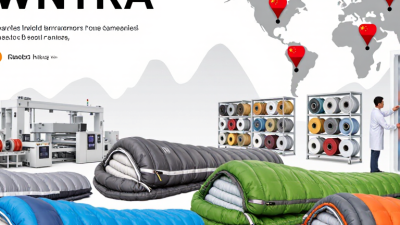
China’s sleeping bag industry combines large-scale production with flexible customization. Experienced buyers should examine more than catalog photos. A reliable factory can provide material specifications, production records, and traceable inspection results. Ask for the shell fabric’s denier, coating, down or synthetic fill weight, and finished bag weight. These details reveal whether “ultralight” is realistic.
Manufacturing control begins with approved samples and clear tolerance limits. Inspectors should check seam strength, zipper operation, baffle placement, insulation distribution, and compression size. Temperature ratings should follow recognized testing methods, such as EN ISO 23537, where applicable to the target market. One attractive sample proves little. Batch consistency matters more.
Customization may include hood shape, footbox size, fabric color, logo placement, packaging, and temperature performance. However, every change can affect weight, cost, or durability. A thinner fabric may save 40 grams but tear more easily. I have seen buyers focus on weight and overlook stitching around the zipper. That mistake becomes obvious outdoors. No factory is perfect. Independent pre-shipment checks, random carton sampling, and documented corrective actions make the supply chain more dependable. Some reports still contain gaps. Ask direct questions, keep written approvals, and retest when specifications change.
How to Select a Reliable Chinese Sleeping Bag Supplier
Choosing a reliable Chinese sleeping bag supplier requires more than comparing low prices. For global buyers, an ultra-lightweight model should balance weight, warmth, durability, and packing size. Ask for exact fabric composition, filling weight, temperature ratings, zipper details, and packed dimensions. A serious supplier should explain testing methods clearly, not promise impossible performance.
Request a physical sample before placing a large order. Check stitching around the hood, seam binding, zipper movement, and filling distribution. During one sourcing project, the first sample looked excellent in photos but had thin insulation near the footbox. The supplier corrected the pattern after feedback, but the delay affected delivery planning. That lesson stayed with me. Product consistency matters more than attractive images.
Tips: Visit the factory, or arrange a live video inspection. Review its production equipment, quality-control records, export experience, and worker safety practices. Request independent test reports when temperature claims affect purchasing decisions. Confirm fabric colors, labels, carton strength, inspection standards, and replacement procedures in writing. A dependable supplier answers specific questions and accepts reasonable inspection requirements. Be careful with vague answers. They often create expensive surprises later. Use a small trial order to evaluate communication, stitching quality, packing accuracy, and shipping performance before expanding cooperation.