What is the Best Trekking Bag for Outdoor Adventures?
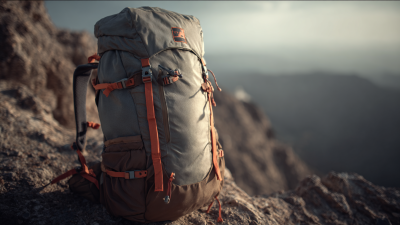
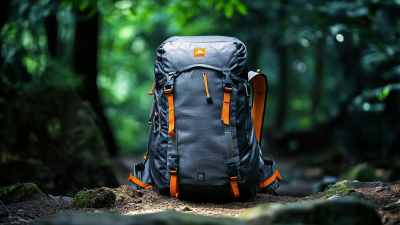
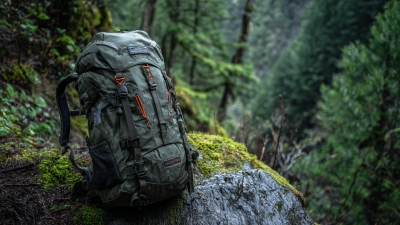
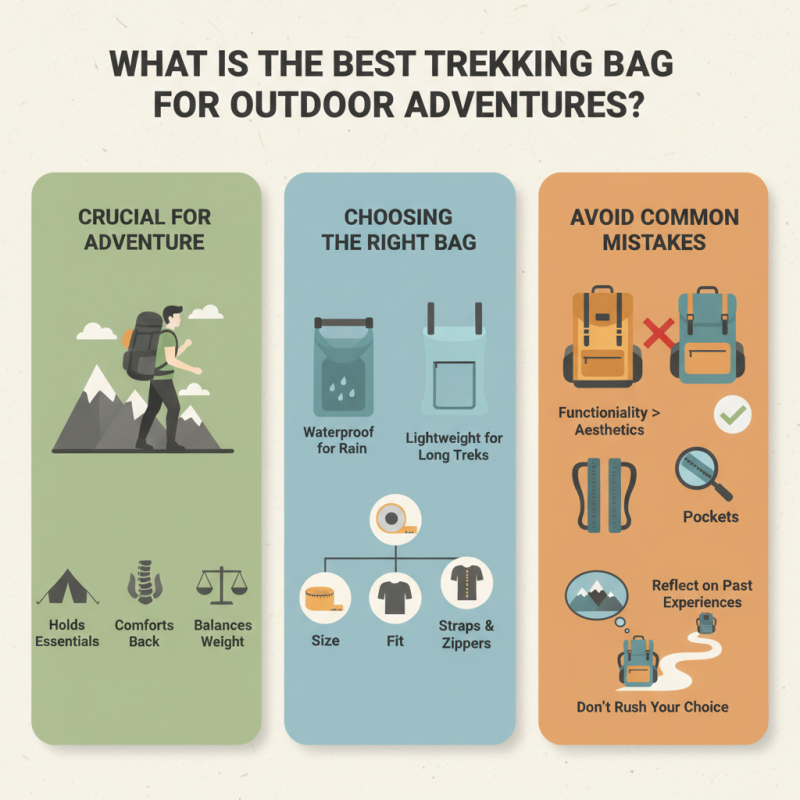
When embarking on outdoor adventures, choosing the right trekking bag is crucial. A well-suited trekking bag can make or break your experience in nature. It holds essentials, comforts your back, and balances weight during hikes. Different adventures demand different styles of bags. Some may need waterproof features for rainy climates. Others may prefer lightweight options for long treks.
Selecting the best trekking bag also involves personal preference. Consider factors like size, fit, and pockets. A bag that fits well reduces strain on the body. Too often, hikers choose stylish options only to regret their decision later. The aesthetics may appeal, but functionality matters most in the wilderness.
Mistakes happen during selection. It’s common to overlook small details like straps and zippers. Reflecting on past experiences can guide future purchases. Don’t rush this choice, as your trekking bag will accompany you on many journeys. A thoughtful selection will enhance your outdoor experience.
Factors to Consider When Choosing a Trekking Bag
Choosing the right trekking bag is essential for your outdoor adventures. When looking for a trekking bag, consider the size and capacity. A bag should fit your needs. How many days will you trek? Small bags are ideal for short trips. Larger bags work for multi-day hikes.
Comfort is crucial. Look for adjustable straps and padding. This can make a big difference during long walks. A bag that is too tight may cause discomfort. A poorly fitting bag can ruin your trek. Balance is important too. You want a bag that distributes weight evenly.
Tips to keep in mind: Check the material. Waterproof bags protect your gear from rain. Keep your essentials accessible. Side pockets are practical for quick access. Think about the weather and terrain. Your bag should adapt to different conditions. Reflect on what works best for you and your adventures.
Factors to Consider When Choosing a Trekking Bag
Types of Trekking Bags: Daypacks, Weekend Packs, and Multi-Day Packs
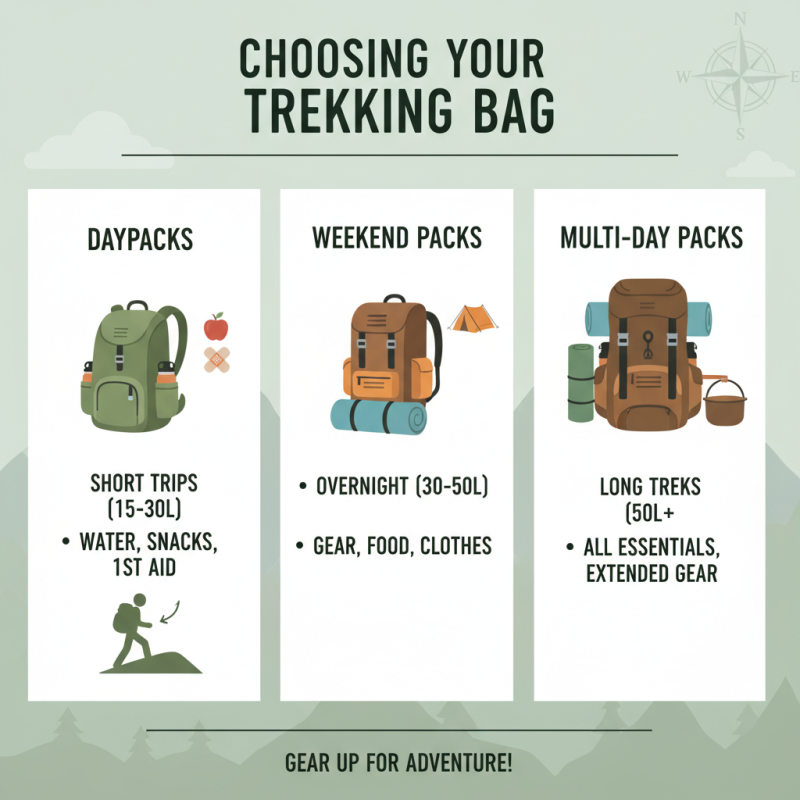
Choosing the right trekking bag is essential for your outdoor adventures. There are different types of bags to consider: daypacks, weekend packs, and multi-day packs. Each serves a unique purpose. Daypacks are ideal for short trips. They are lightweight and usually have a capacity of 15 to 30 liters. These bags can hold essentials like water, snacks, and a first aid kit. They are easy to carry and perfect for a quick hike.
Weekend packs are a step up from daypacks. They offer more space, generally ranging from 30 to 60 liters. This size allows for extra gear and supplies for a couple of nights in the wild. They often come with compartments for organizing your items. However, packing too much can be tempting. It’s easy to overload a weekend pack, leading to discomfort on the trail. Find a balance between pack weight and necessary supplies.
Multi-day packs are designed for longer journeys. These bags usually hold 60 liters or more. They are equipped for carrying all your essentials, including food and a sleeping bag. While they offer ample space, one must be cautious about weight distribution. Poorly balanced packs can cause fatigue and strain. Understanding your needs is key. Reflecting on past experiences can help you choose wisely. Remember, the best bag is one that suits your adventure style.
Essential Features of a High-Quality Trekking Bag
When choosing a trekking bag, look for essential features. Comfort is key. Padded shoulder straps and a hip belt should fit snugly. This helps distribute weight evenly. Moisture-wicking materials are a bonus. They keep your back dry during long hikes.
Capacity is another important aspect. A bag should hold enough gear without being too bulky. Think about how many days you'll be out. A bag that is too small forces you to leave things behind. Too large leads to unnecessary weight.
Water resistance is crucial for outdoor adventures. Rain can be unpredictable. Look for bags with waterproof materials or a rain cover. Organization matters as well. External pockets help access essentials quickly. Consider reflective materials for safety, especially in low-light conditions. Remember, each detail can enhance your trekking experience.
Top Brands and Models for Outdoor Adventure Trekking Bags
When selecting the ideal trekking bag for outdoor adventures, various factors come into play. The global outdoor equipment market is projected to reach over $25 billion by 2025. This growth indicates a strong interest in activities that require quality gear. Trekking bags, in particular, cater to diverse needs and preferences.
Notable features to consider include capacity, weight distribution, and durability. Research indicates that a properly fitted backpack can significantly enhance comfort during extended treks. A study showed trekkers using well-designed bags reported 30% less fatigue. These bags often range from 30 to 70 liters, depending on the duration of the adventure. However, finding the right balance of space and weight remains a common challenge for many.
Different designs cater to specific activities. For instance, short day hikes may require a smaller pack compared to week-long expeditions. Many trekkers struggle with deciding between comfort and functionality. Features like hydration systems or adjustable straps can make a big difference, yet some features may feel redundant for others. It's essential to reflect on personal needs to find the perfect match.
What is the Best Trekking Bag for Outdoor Adventures?
| Model |
Capacity (Liters) |
Weight (kg) |
Material |
Water Resistance |
Price (USD) |
| Mountain Explorer |
50 |
1.2 |
Nylon |
Yes |
129.99 |
| Trail Runner |
30 |
0.85 |
Polyester |
No |
79.99 |
| Expedition Pro |
65 |
1.5 |
Canvas |
Yes |
199.99 |
| Hiker's Choice |
40 |
1.1 |
Ripstop Nylon |
Yes |
99.99 |
| Adventure Seeker |
70 |
1.8 |
Durable Polyester |
Yes |
159.99 |
Maintaining and Caring for Your Trekking Bag for Longevity
Caring for your trekking bag is crucial for its longevity and performance. Research indicates that proper maintenance can extend the lifespan of outdoor gear by up to 50%. Cleaning your bag after each adventure helps remove dirt and grime, preventing long-term damage. Focus on areas like zippers and seams, where dirt often accumulates.
Regular inspections are important. Check for wear and tears each time you pack your bag. Small damages can worsen quickly. A simple patch can save a bag from retiring early. Also, frequent re-waterproofing boosts protection against moisture. Studies show that waterproofing treatments can double a bag's resistance to water.
Storage matters too. Avoid leaving your bag in damp places. A cool, dry spot prevents mold and mildew from developing. Use a breathable bag cover if storing for long periods. Remember, the choice of materials affects how well your bag endures. Damaging UV rays can deteriorate fabrics over time, but shade can preserve its integrity. Care today means adventures tomorrow.