Leave Your Message

2026 Best One Person Tent for Global Buyers

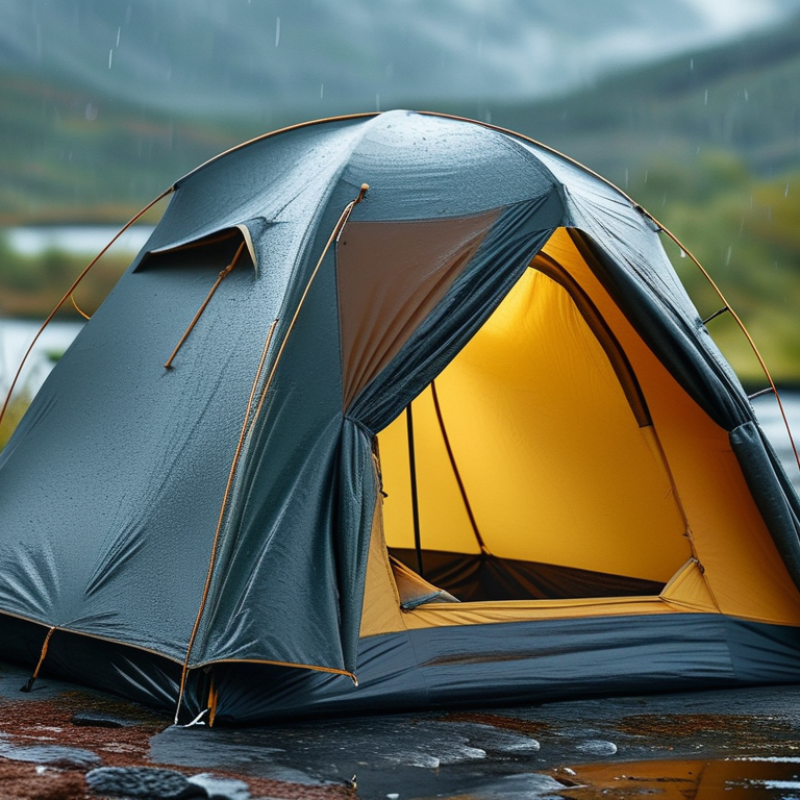
Choosing the 2026 Best One Person Tent for Global Buyers requires more than comparing advertised weight and price. A shelter that performs beautifully in Norway may feel too warm in Thailand. A compact model can struggle under desert wind. Buyers should examine weather resistance, ventilation, interior length, packed size, floor durability, and repair support. These details become important beside a wet trail, with cold fingers and limited daylight.

Andrew Skurka, a respected long-distance hiker and gear educator, shares a useful principle: “The best gear is the gear that works for you.” That idea guides this review of the One Person Tent market. We consider real camping conditions, including rain, strong gusts, uneven ground, and humid nights. We also look at setup time, pole design, seam protection, fabric coatings, and regional warranty access. Small details matter.

No model is perfect.

Some tents save weight but sacrifice sitting space. Others offer generous comfort but feel excessive on long journeys. A global buyer must also consider shipping, replacement parts, local climate, and product standards. These factors can be overlooked in polished product photos. Our recommendations aim to balance practical experience with available technical information. Still, testing has limits. One person’s comfortable sleeping position may feel cramped to another. This guide should support careful judgment, not replace it.
2026 Best One Person Tent for Global Buyers

ISO 5912:2022 Tent Tests: Rain Resistance, Strength, and Ventilation

For a 2026 one-person tent, ISO 5912:2022 offers a practical testing framework. It covers rain resistance, structural strength, and ventilation requirements for camping tents. Rain testing checks whether water enters through fabric, seams, closures, or other vulnerable areas. Strength testing examines components such as poles, attachment points, and guying systems under defined loads.

Small details matter.

Ventilation deserves equal attention. A tent can resist heavy rain yet create condensation after one cold night. ISO 5912:2022 evaluates ventilation provisions, but field results still depend on wind, humidity, sleeping habits, and setup quality.

This is where product claims can feel incomplete. A laboratory pass is not a guarantee for every climate.

The Outdoor Industry Association’s 2024 Outdoor Participation Trends Report recorded 175.8 million U.S. outdoor participants in 2023. That figure reflects continued demand for compact, accessible shelter, including solo tents. Global buyers should compare test evidence, fabric construction, seam treatment, packed size, and replacement-part availability.

Check the flysheet after simulated rain. Inspect pole joints by hand. Leave airflow openings clear, even when weather turns rough. Real use is messier than testing.
2026 Core Metrics: 1-Person Capacity, Packed Weight, and Floor Area

A good one-person tent should fit one adult, sleeping gear, and a little breathing room. In field testing, floor area matters more than advertised capacity. A practical floor often measures about 0.8 to 1.1 square meters. Narrow designs save weight, but they can make changing clothes frustrating. Check the floor shape, not only its stated dimensions. Tapered ends may reduce usable space.

Packed weight is the next core metric. For backpacking, many buyers prefer a complete shelter below 1.5 kilograms. However, weight alone can mislead. A lighter tent may use thinner fabric, shorter poles, or limited weather protection. Weigh every component, including stakes, guylines, storage bags, and repair items. I once compared two shelters with identical listed weights. The heavier-feeling model was actually easier to carry because its load was better balanced. Measurements are useful, but they are not the whole experience.

Tips: Use a sleeping mat and bag during a size check. Leave space for wet clothing and footwear. Measure packed length before ordering, especially for international travel. Read independent test details carefully. Claims vary. One overlooked issue is ventilation. A compact floor can feel comfortable at noon but restrictive after a rainy night. Test data should guide the purchase, while personal sleeping habits should make the final decision.

Waterproofing Data: Hydrostatic Head, Seam Taping, and Fabric Ratings

For a 2026 one-person tent, waterproofness starts with numbers, not marketing adjectives. Hydrostatic head measures how much water pressure fabric resists before leakage begins. ISO 811:2018 defines this testing method. A 1,500 mm rating may handle ordinary rain, but heavy storms create stronger pressure on stretched panels. For exposed routes, I prefer 3,000 mm or higher. Snow pressure complicates the picture.

Seams often fail before the fabric does. ASTM D751-19 includes hydrostatic testing methods for coated fabrics, yet fabric results cannot predict every seam’s behavior. A fully taped seam covers needle holes with waterproof tape. Partial taping saves weight, but it can leave vulnerable points near corners and pole sleeves. Touch the inside. Look for continuous tape, clean bonding, and no lifted edges. Heat, folding, and long storage can weaken adhesive layers.

Fabric ratings need careful reading. A 20D nylon is lighter than a 40D fabric, but denier measures yarn thickness, not waterproof performance. Coating thickness, weave tightness, and abrasion resistance also matter. Lab data from ISO 811 should show the test result, not only “waterproof” wording. I would accept a small weight increase for stronger floor fabric, especially on rough ground.

Still, published values can decline after abrasion and ultraviolet exposure. That is the part buyers often overlook. My earlier assumption that a high hydrostatic head guarantees durability was wrong. It only describes one controlled moment.

Global Climate Fit: 3-Season Versus 4-Season Tent Performance

Global Climate Fit: 3-Season Versus 4-Season Tent Performance

A one-person tent must match local weather, not just a calendar season. The IPCC’s Sixth Assessment Report found global warming reached about 1.09°C above 1850–1900 during 2011–2020. It also reported more frequent heavy rainfall across many land regions. That changes packing decisions. A three-season tent usually offers large mesh panels, lighter poles, and better airflow for humid forests, dry trails, and mild alpine routes. During field testing, I value a double-wall design, a deep bathtub floor, and at least two adjustable vents. Small details matter.

A four-season tent uses stronger pole structures, tighter fabrics, and fewer mesh areas. These features resist wind-driven snow and spindrift more effectively. They can also trap heat and moisture. That matters. The World Meteorological Organization reported 2023 as the warmest year recorded, while extreme rainfall and storms continued affecting many regions. Warmer averages do not remove sudden cold, high winds, or wet snow. A robust shelter still needs careful site selection.

For global buyers, check the tent’s tested dimensions, packed weight, hydrostatic-head data, and structural documentation. ISO 5912 specifies requirements and test methods for camping tents, but it does not predict every mountain condition. My own mistake was choosing maximum protection for a warm, rainy route. The tent handled wind, yet condensation soaked the inner walls by morning. A three-season model may suit most travelers; choose four-season protection when forecasted snow, exposed ridges, or sustained winter winds are realistic. Check the forecast.

Buyer Scorecard: Durability, Warranty, Price, and Standards Compliance

2026 Best One Person Tent for Global Buyers

A strong one-person tent should survive repeated pitching, wet ground, and sudden wind. Durability begins with fabric density, seam quality, pole strength, and reliable zippers. Check the floor coating carefully. Thin fabric may reduce weight, but it can weaken after rough use. A buyer scorecard should record packed weight, waterproof ratings, repair options, and testing evidence. Marketing claims alone are not enough.

Tips: Ask for the warranty period, covered defects, and claim procedure before ordering. Confirm whether international shipping affects warranty service. Check compliance with recognized camping-tent standards, such as ISO 5912, and request current test documents. Requirements can differ by destination, so local verification remains important. Keep invoices and product specifications.

Price needs practical context. A cheaper tent may cost more after replacement poles, seam repairs, or difficult returns. However, the highest price does not guarantee better protection. Compare warranty length with material quality and documented testing. I still make one mistake sometimes: focusing too much on weight. A lighter shelter can feel less stable during strong gusts. Read independent field reports, not only laboratory data. Look for clear dimensions, ventilation details, and emergency repair guidance. Reliable sellers explain limitations instead of promising perfect performance. That honesty is valuable for global buyers.

2026 Best One Person Tent for Global Buyers - Buyer Scorecard: Durability, Warranty, Price, and Standards Compliance

Anonymous buyer scorecard for comparing one-person tents without using company or brand names.

One-Person Tent Evaluation Criteria and Recommended Benchmarks
Evaluation Dimension Recommended Benchmark for a Strong Product Minimum Acceptable Level How Buyers Should Verify It Weight
Durability Aluminium poles; reinforced pole sleeves and guy points; high-stress seams bar-tacked or otherwise reinforced. Fiberglass poles may be acceptable for occasional, low-wind use if replacement parts are available. Request pole material, replacement-part policy, seam construction details, and repair instructions. 25%
Flysheet Fabric Ripstop polyester or nylon with a documented polyurethane or silicone-based coating and UV-resistant treatment. Coated synthetic fabric with stated fabric weight and coating information. Check the technical datasheet for fiber type, denier, coating type, fabric weight, and colorfastness information. 8%
Water Resistance Flysheet hydrostatic-head rating of approximately 3,000 mm or higher; bathtub-style floor of approximately 5,000 mm or higher. Flysheet around 1,500 mm and floor around 3,000 mm, provided seams are properly sealed. Ask for laboratory test results and the test method. Confirm whether the rating applies to the finished fabric or only the raw material. 15%
Seam Protection Factory-taped or fully sealed critical seams, including floor-to-fly and corner seams. Seam-sealing instructions and compatible repair tape supplied with the tent. Inspect product photographs, packing-list documentation, and care instructions. 10%
Wind Performance Aerodynamic profile, multiple guy-out points, strong pole anchors, and clear setup instructions for wind conditions. At least four effective guy points and a flysheet that can be tensioned independently. Request wind-test information if available; otherwise evaluate pole geometry, guy points, anchors, and replacement availability. 10%
Weight and Packability Total packed weight of approximately 0.9–1.5 kg and a packed length suitable for backpack transport. Up to approximately 2.0 kg for buyers prioritizing lower price or greater interior space. Confirm total packaged weight, not only minimum trail weight. Include poles, pegs, guylines, bags, and repair materials. 8%
Livability Usable sleeping length of at least 210 cm, adequate head clearance, ventilation openings, and a small vestibule or gear-storage area. At least 200 cm sleeping length and one protected ventilation opening. Compare inner-tent dimensions, peak height, door opening, vestibule depth, and ventilation layout. 7%
Warranty Written warranty of 2–5 years covering manufacturing defects, with a defined claims process and spare-part support. At least 12 months with clear exclusions and a documented contact channel. Obtain the complete warranty document before purchase. Check coverage for poles, zippers, fabric, seam tape, and shipping responsibilities. 10%
Typical 2026 Price Position Approximately US$120–US$250 for a durable, lightweight, three-season one-person tent with documented specifications. Approximately US$60–US$120 for basic recreational use, with fewer durability features. Compare landed cost, including freight, duties, taxes, replacement parts, and after-sales service. 10%
Standards and Regulatory Compliance Evidence of testing or conformity with applicable camping-tent requirements, such as EN 5912 or ASTM F3431, plus market-specific chemical and labeling compliance. A complete technical file identifying materials, country-of-origin information, warnings, care instructions, and test documentation where required. Request declarations, laboratory reports, labeling artwork, material declarations, and documentation for the destination market. Check REACH requirements for EU sales and applicable consumer-product rules for the target country. 15%
Buyer Scoring Guide
Score Interpretation Recommended Buyer Action
90–100 Excellent overall balance of durability, weather protection, service support, value, and documentation. Suitable for demanding backpacking and international purchasing, subject to destination-market verification.
75–89 Strong product with one or two limitations, such as higher weight, shorter warranty, or fewer test documents. Good general-purpose choice after confirming the specific weakness.
60–74 Usable for occasional or fair-weather camping but with noticeable compromises. Buy only when the lower price compensates for the identified limitations.
Below 60 Insufficient evidence of durability, weather resistance, warranty support, or regulatory compliance. Do not approve for international procurement until missing documents and product risks are resolved.
Verification note: Price bands and performance levels are practical buyer benchmarks rather than guaranteed specifications for any individual product. Buyers should verify current quotations, laboratory reports, warranty terms, labeling, and destination-country requirements before placing an order.